

Hannah H.
Hoka
Brand
1171852
Item Number
$125
Retail Price
January 2026
Official Release Date
Trainer
Shoe Type
Hoka
Retailer
2026 Hoka Solimar 2 Review: Key Takeaways

Shoddy
The Solimar 2 is a lower quality shoe than the Solimar 1 and Hoka completely ditched sustainable materials for this remodel.
Uglier
The cheap build and odd design choices make this trainer less suitable for everyday activities than the original.
Wider?
Hoka claims this version is roomier, but it fits about the same. At least it weighs less.
Same Price
The Solimar 2 isn’t worth its $125 price tag, but at least it doesn’t cost more than the original.
Warmer
The new upper made my feet feel like two hot potatoes in an oven and I can’t see myself wearing these all day.
Watch our Hoka Solimar 2 video review.
The 2026 release is not a worthy successor to the original Solimar everyday trainer.
The original Hoka Solimar trainer (2022) was the brand’s answer to complaints about its chonky footwear: finally, a cushioned shoe that looked normal.
It was an ideal everywhere shoe — not a running shoe — that felt amazing. I wore through five pairs and would have bought five more if Hoka had kept making it.
Instead, they released the Solimar 2 in January 2026. The more I examine this shoe for this review, the more I dislike the updates. Let’s get into the nitty-gritty of why the Solimar 2 is a disappointment.

What is the Hoka Solimar 2’s purpose in life?
A quick history.
The original Solimar was released in 2022 and advertised as a “daily runner” with an “approachable stack height.” This was code for: finally, a Hoka shoe you can run your daily errands in without looking like a dork. In terms of actual running shoes, there were many better options, such as Hoka’s own Clifton 9.
Instead, the firmer, neutral Solimar was ideal for walking, cross-training, light running/sprinting, and going out on the town. It looked normal and felt amazing from the first step. And the people agreed: the reviews overwhelmingly commended the OG Solimar for its versatility as spiffy but comfy walking-around footwear. It made my feet look and feel good.
A strange turn of events.
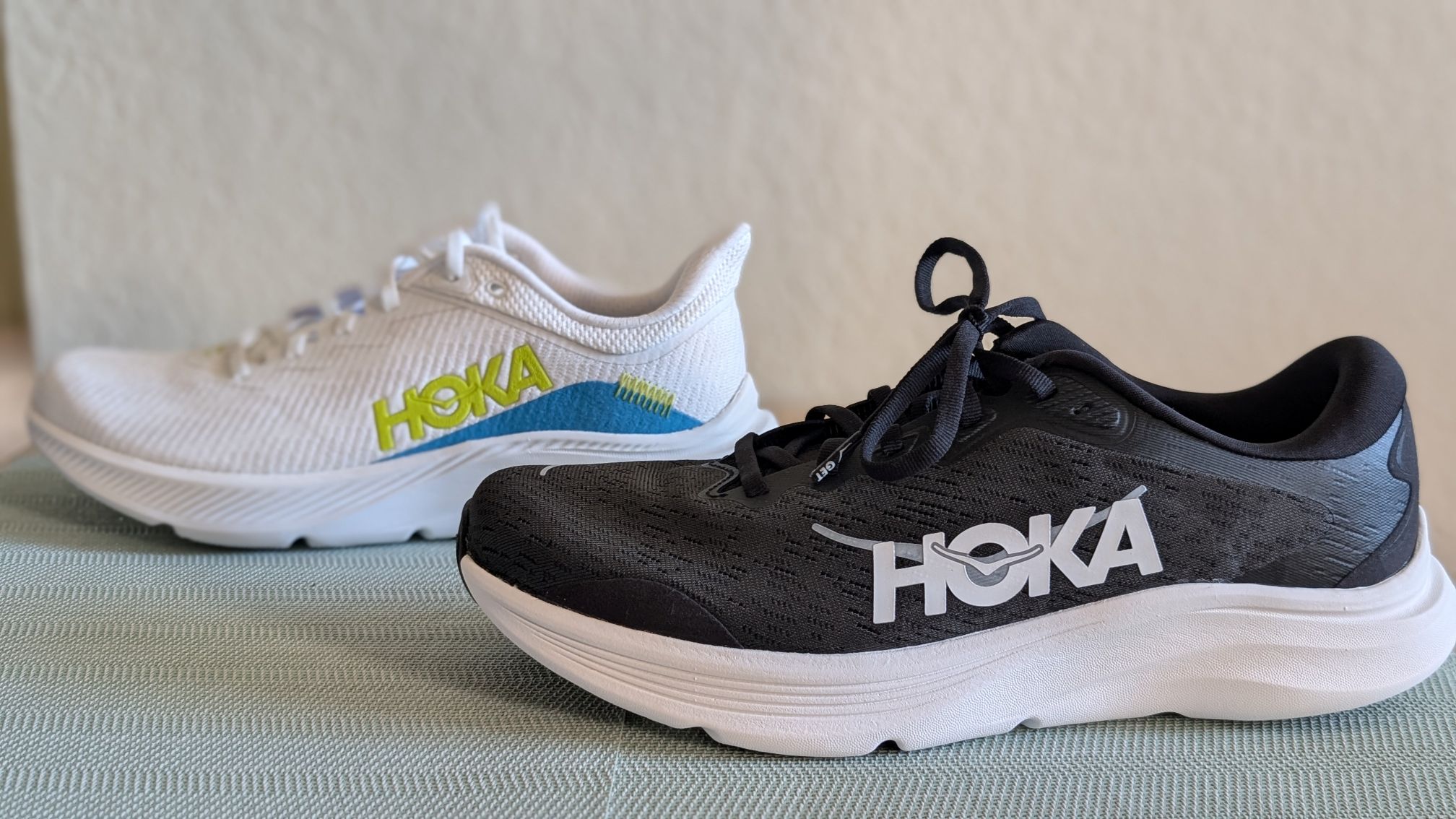
With the Solimar 2, Hoka seems to have ignored all consumer feedback and completely lost the plot. For their updates, they “streamlined the silhouette” and changed the upper to “premium materials.” The actual result is a cheapened shoe that now looks like it was made for jogging, but isn’t particularly good at it.
Instead of building upon the fine line between fashion and trainer that the original Solimar nimbly walked, Hoka decided to make a forgettable clunker that fits neither here nor there.
The Hoka Solimar 2 looks cheap.
This is the one shoe where appearance matters to me: If I’m wearing a trainer everywhere, it needs to look like it goes with everything.
The original Solimar fit that bill — especially the lighter colorways. The more I look at the original Solimar, the more I appreciate its thoughtful design that played with different textures and recycled materials, such as the upper of “stretchy, recycled content mesh with 88% recycled polyester.”
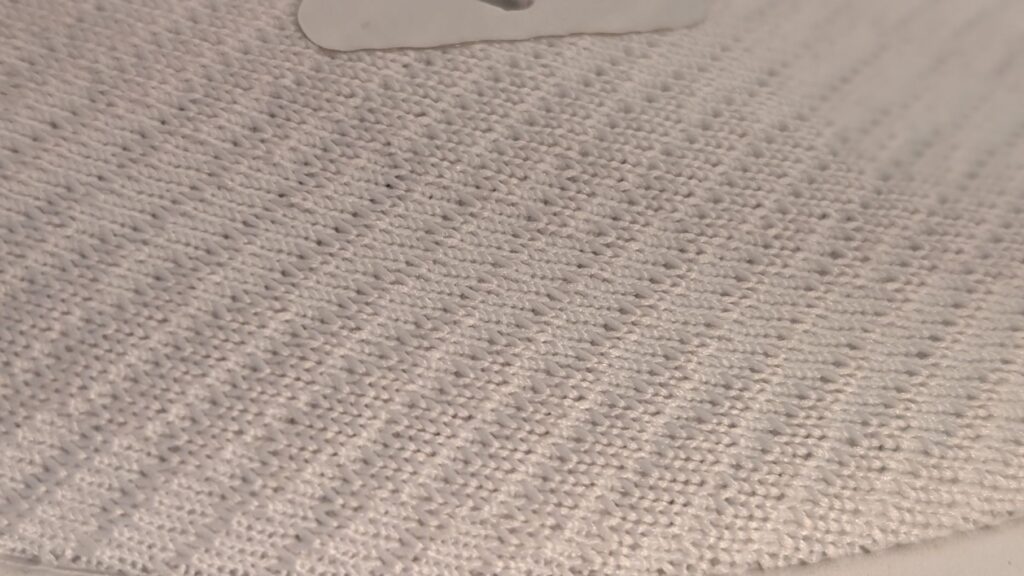
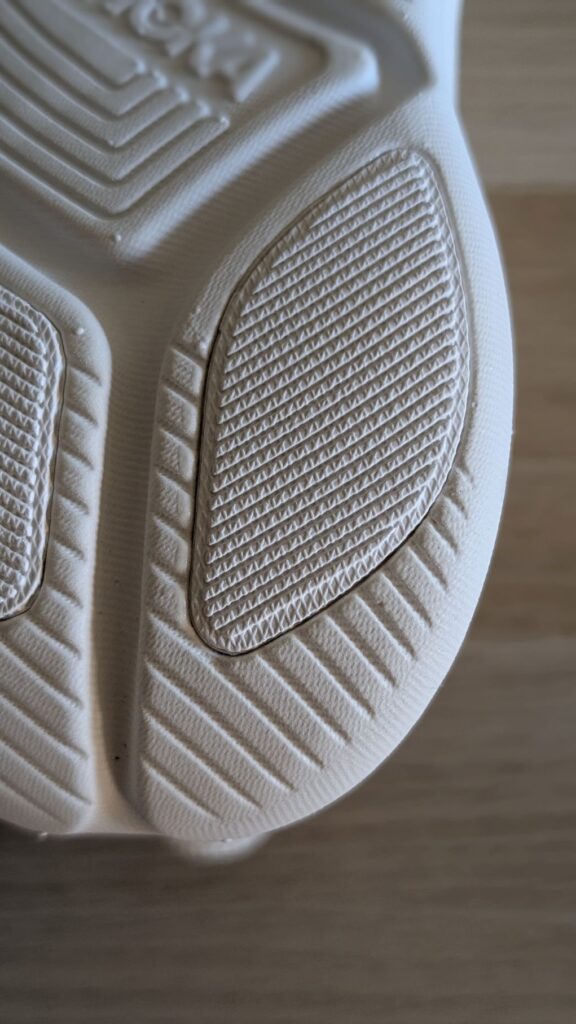
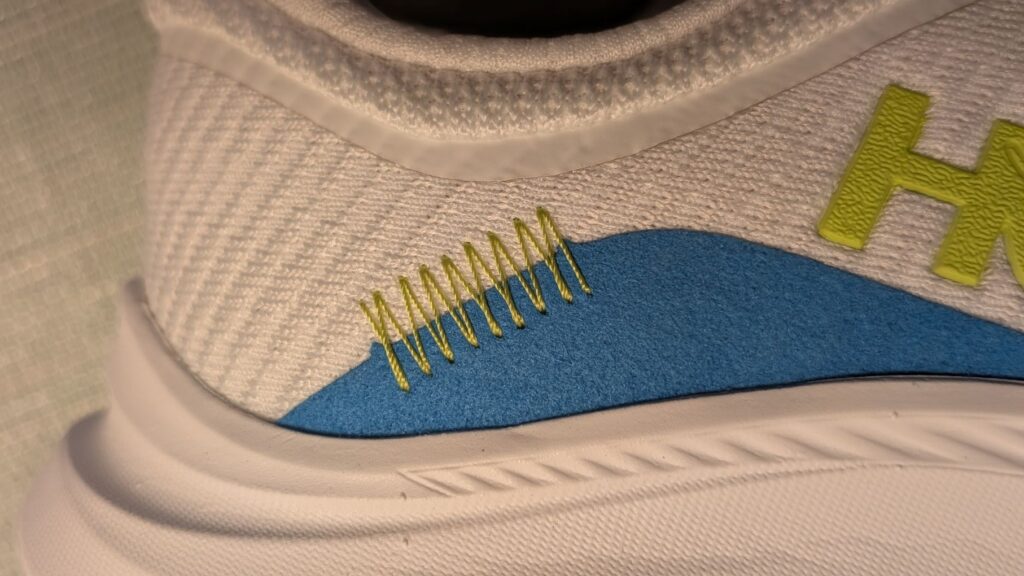
The more I look at the Hoka Solimar 2, the more I dislike this shoe.
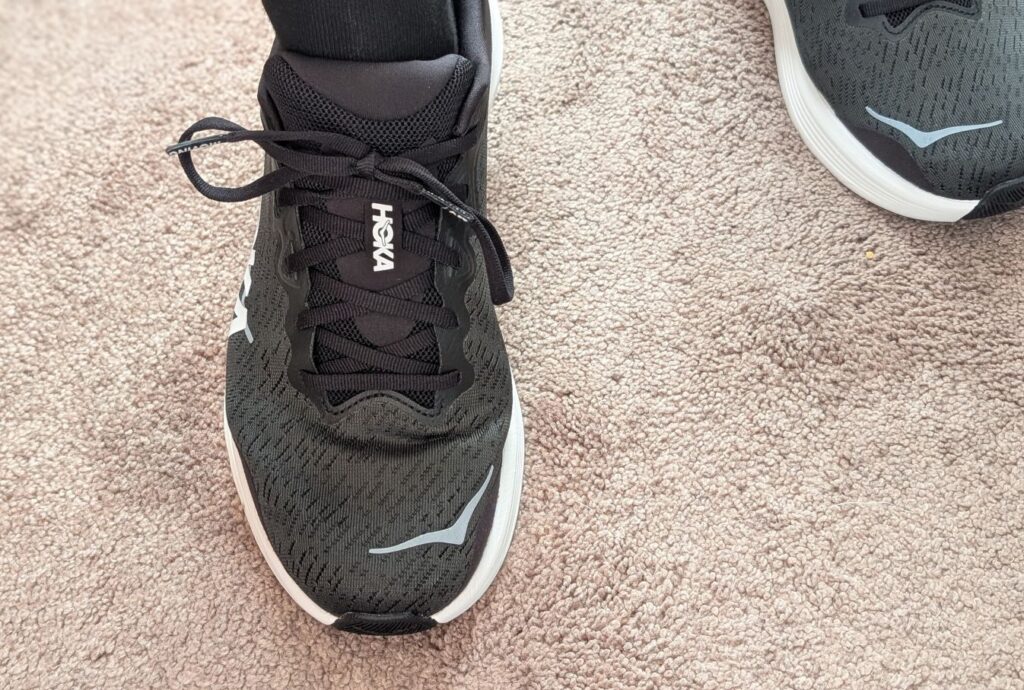
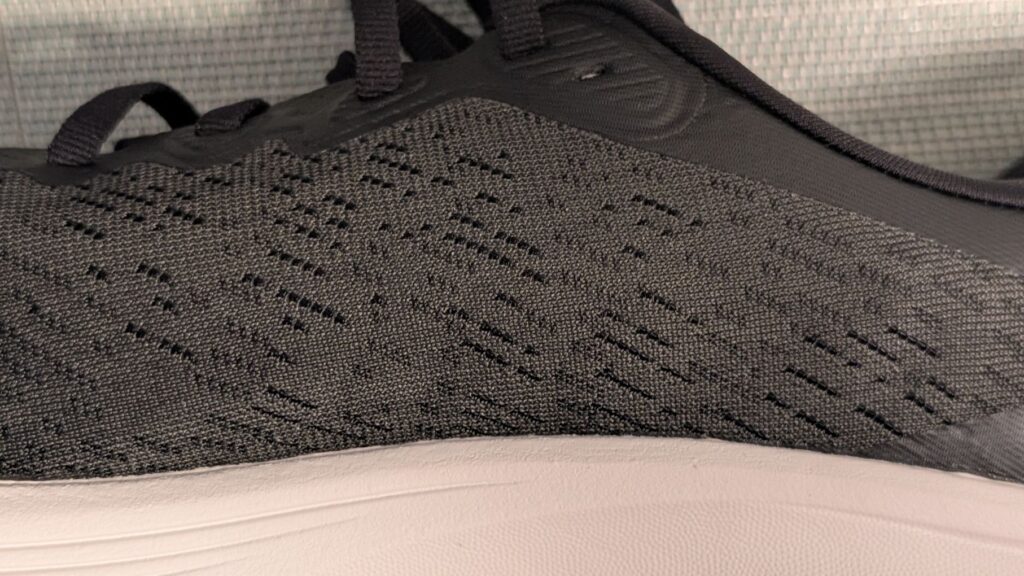
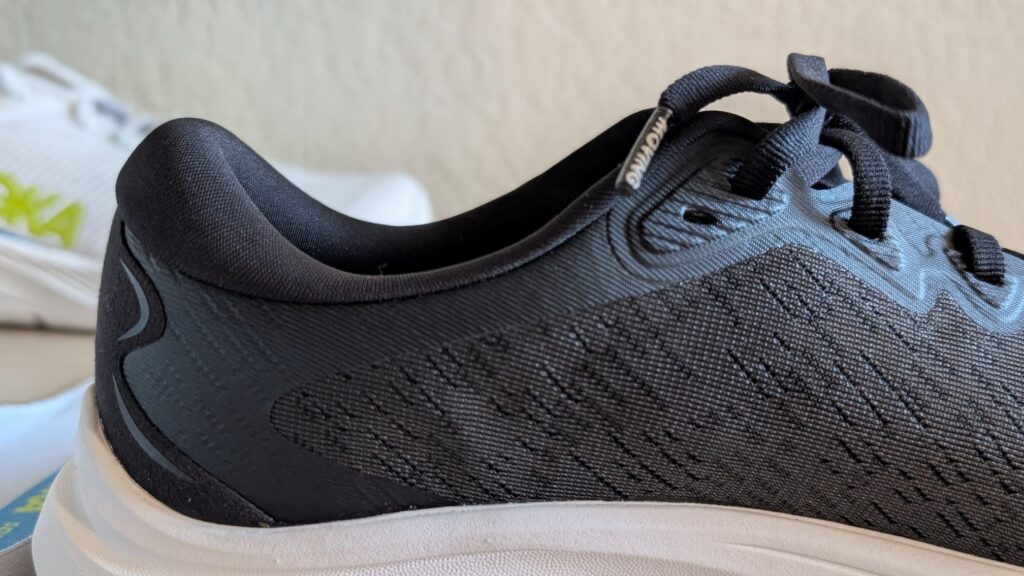
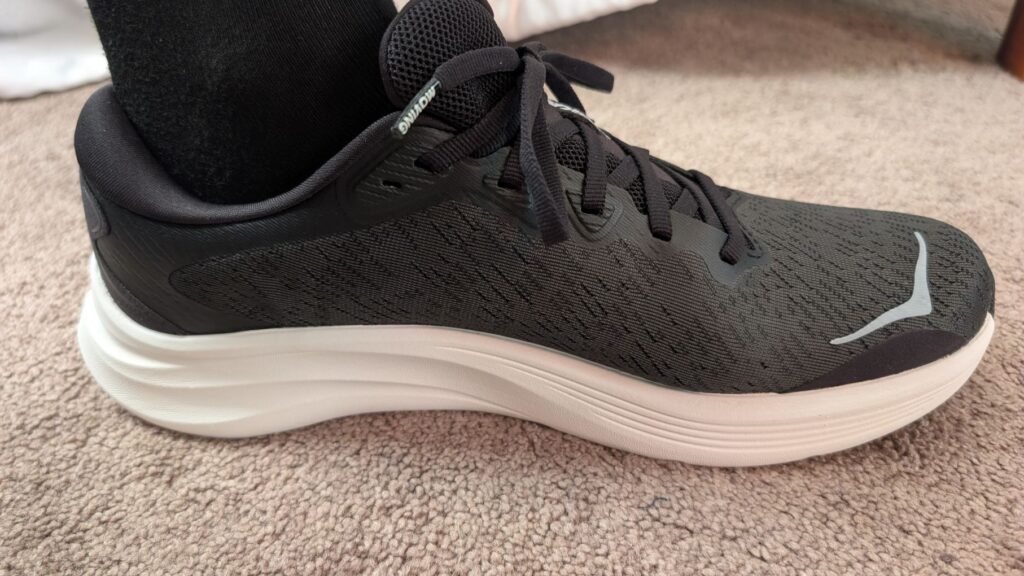
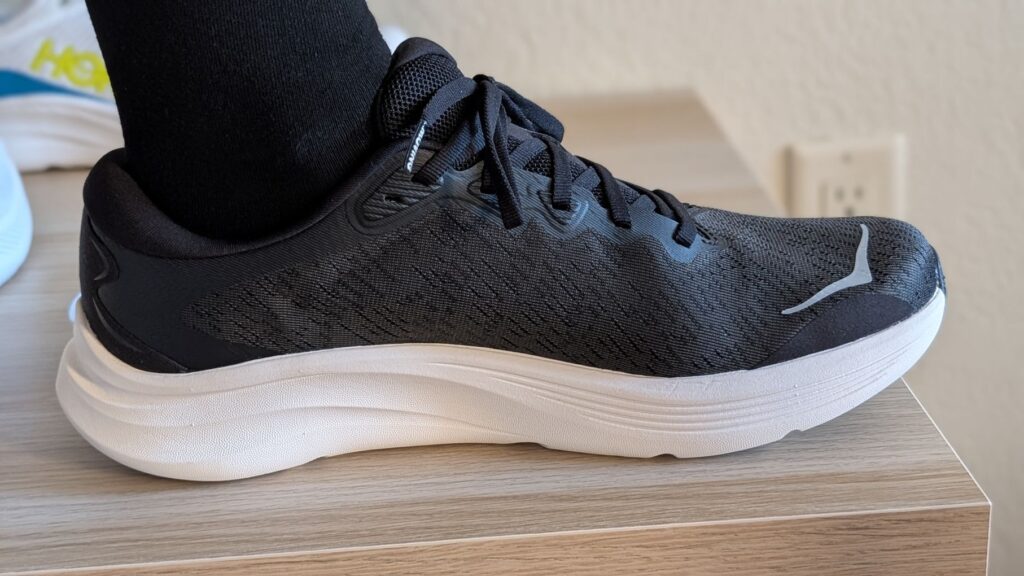
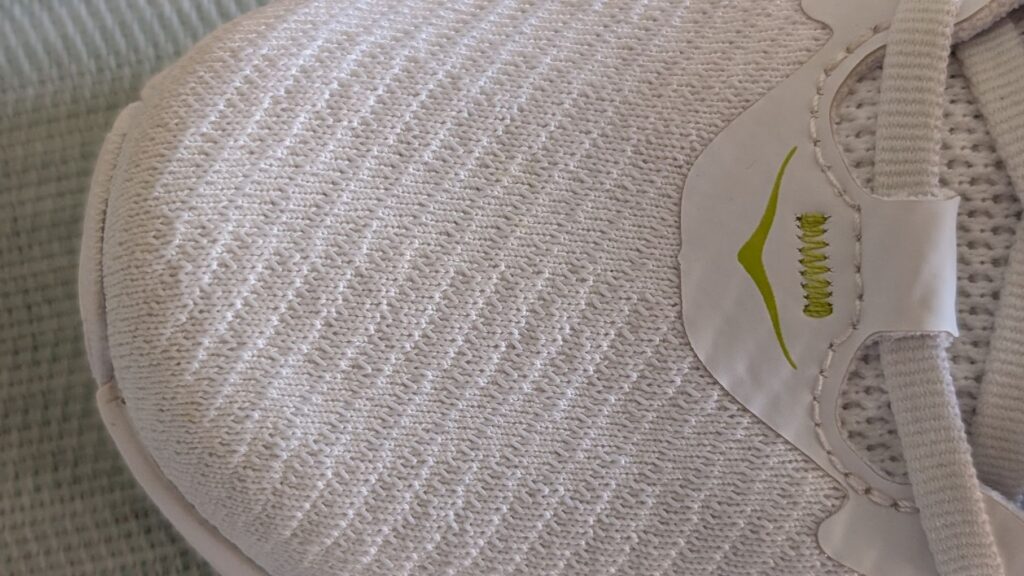
The new, non-recycled upper looks like that shiny fabric on cheap gym shorts. Hoka doesn’t even specify what the material is. It’s perforated by diagonal vents like Morse Code signaling a fashion emergency. The ankle collar and tongue are made from basic, puffy fabric. The eyestay looks like a glossy sticker barely stuck to the shoe. And the suede heel foxing is giving AI-generated Rubin vase vibes.
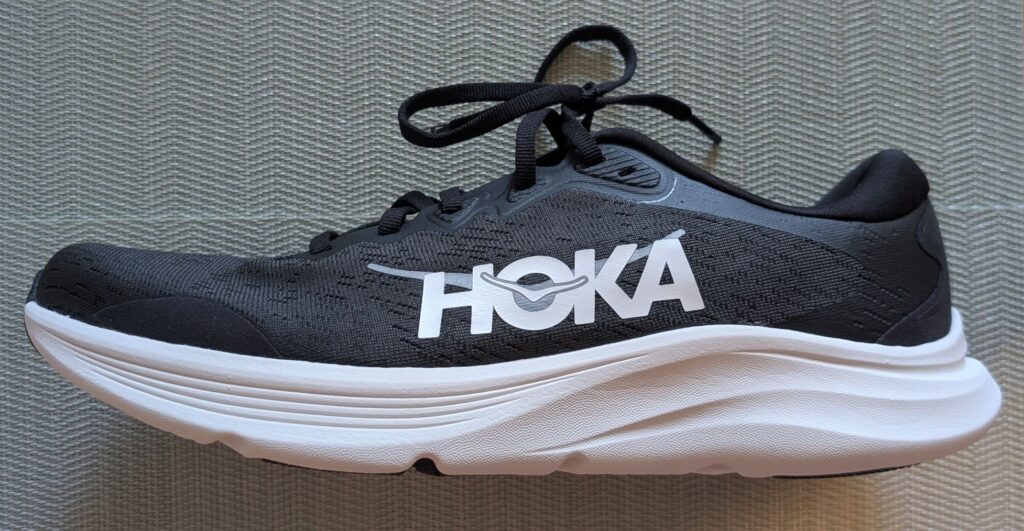
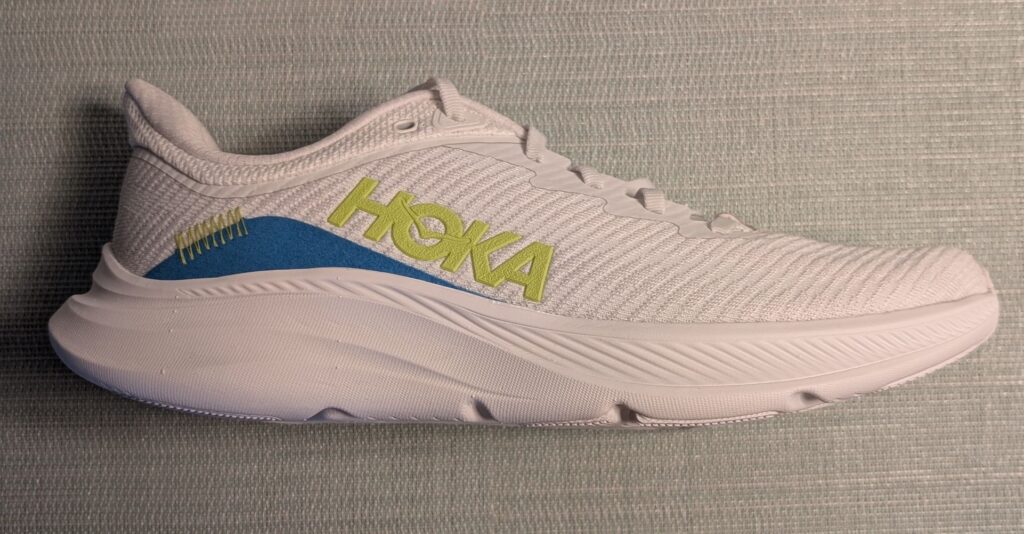
The Solimar 2 has a lower profile than its predecessor, with a rounder toe and heel cup, and a puffier body appearance. On foot, it looks clunkier and heavier than the clean and nimble lines of the original Solimar.
A Hoka logo on steroids.
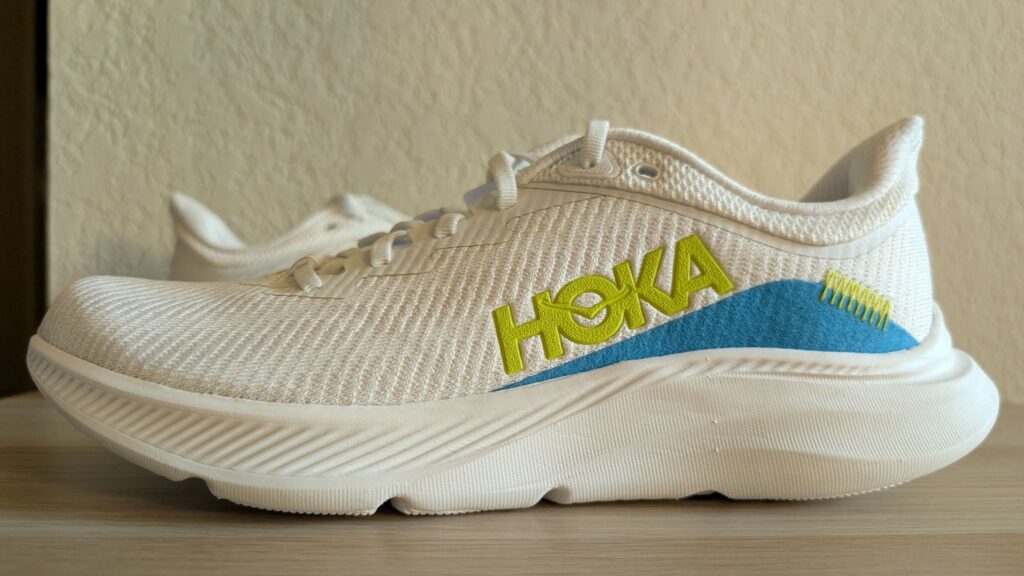
Then there’s the gregarious branding. The original Solimar had an embossed “HOKA” tastefully embedded on one side, with the small flying bird logo contained in its “O.” The same bird logo was also inconspicuously embedded in the heel cup area.
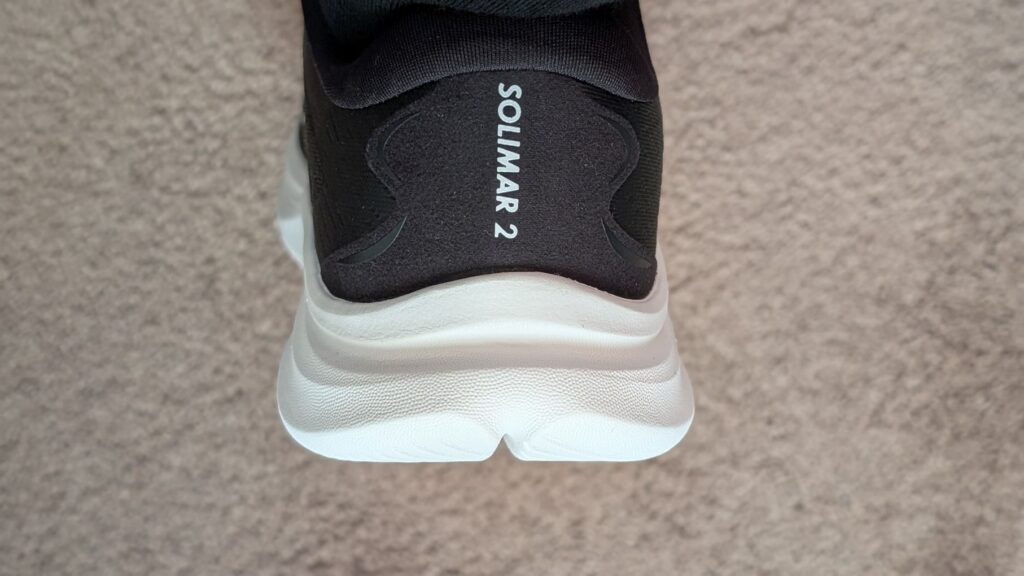
For the Solimar 2, Hoka decided to go gaudier and cheaper. The HOKA name logo grew a bigger bird, which in turn grew an enormous shadow. The logo material appears to have been downgraded to a DTF sticker that looks already ready to peel off. Even worse, the smaller bird logo migrated to the shoe’s toe — the most conspicuous place possible — and is also cheaply stuck on.
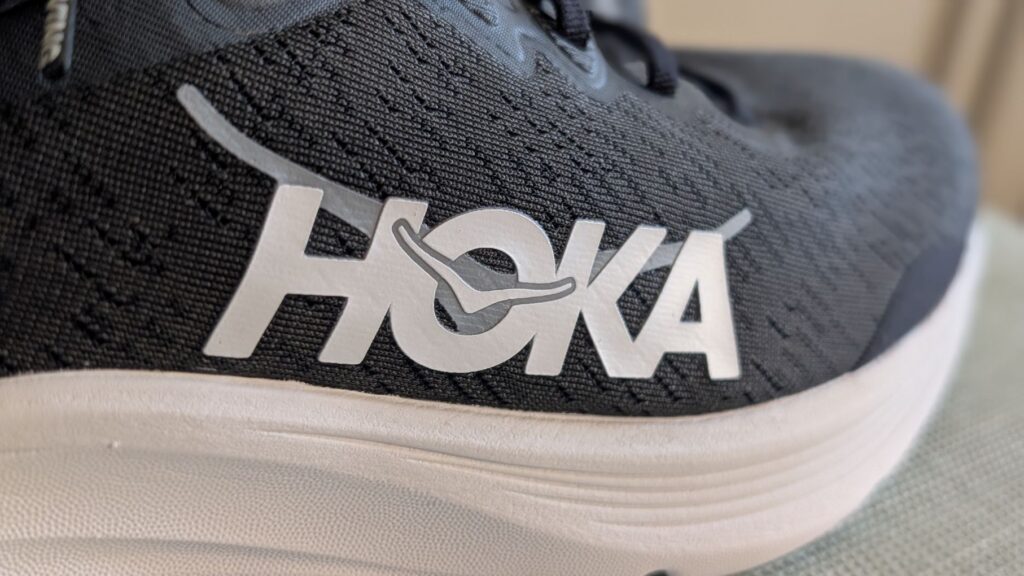
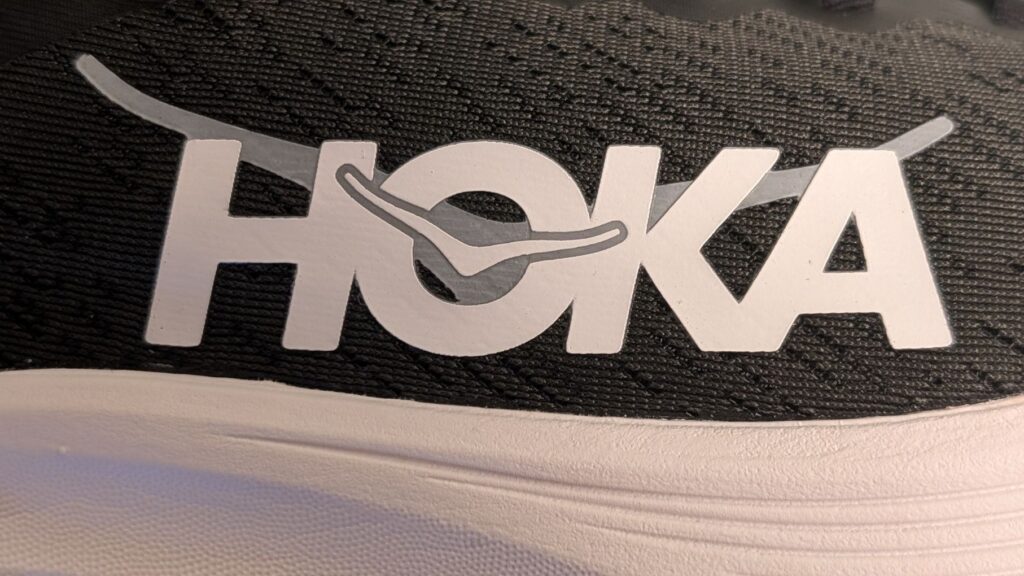
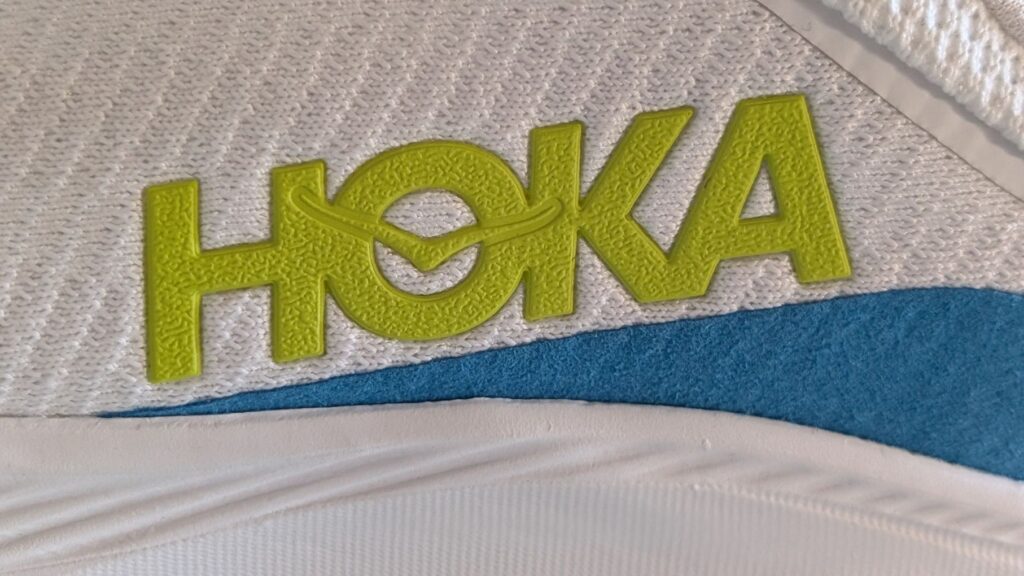
Overall, the Hoka Solimar 2 looks like I got ready for P.E., but then decided to go to work instead. It’s conspicuously athletic in a bad way. More than that, the material quality and build have been drastically downgraded. This is why I don’t think a different colorway from the Black/White that I bought would make this shoe look better: the big logos and low quality are inescapable.
A bigger shoe that fits the same?
The Solimar 1 fit me well.
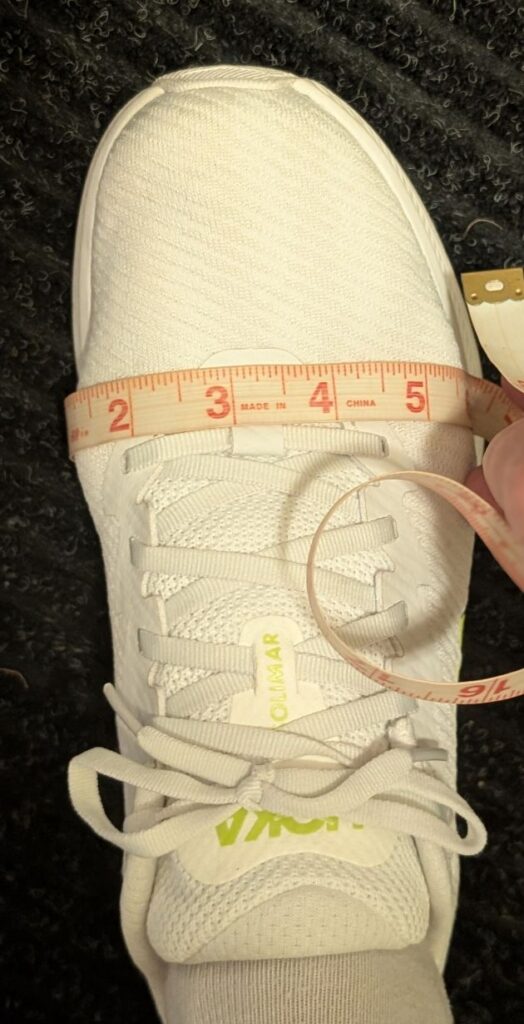
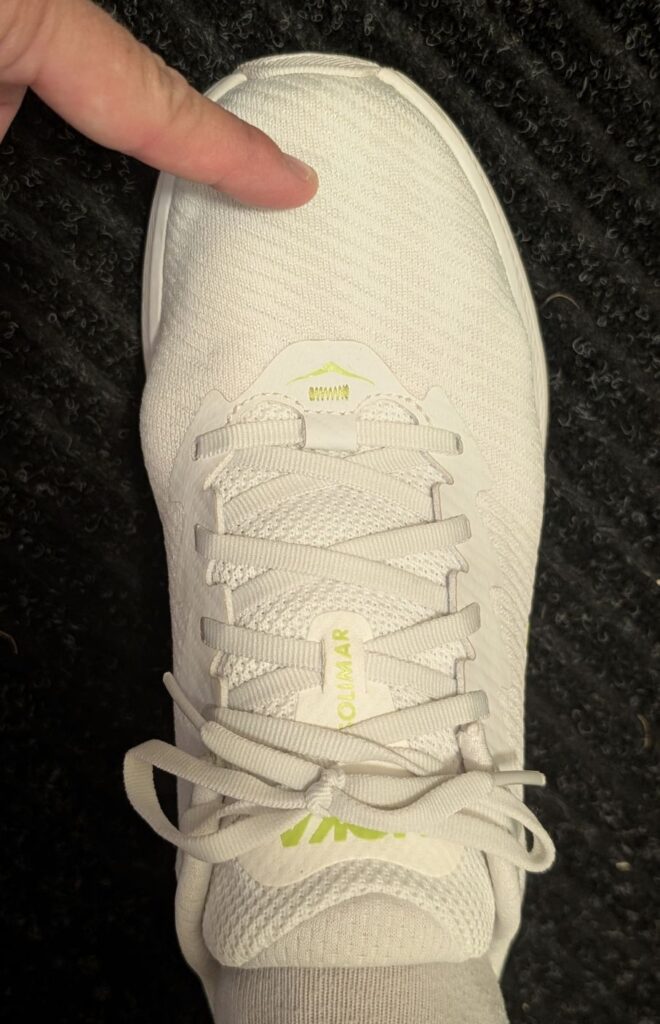
My usual size is 10D and the original Hoka Solimar fit true-to-size. I have pretty wide feet, as discussed in my Adidas EVO SL review, so the balls of my feet did bulge into the upper. However, the material on the first Solimar was so stretchy and forgiving, my feet never felt cramped or had blisters. The length was also perfect – you can see my big toe has room to breathe.
The Hoka Solimar 2 is barely bigger.
Hoka supposedly updated the Solimar 2 to fit wider feet. On foot, the Solimar 2 barely feels wider. My feet still bulge into the upper. I wasn’t quite sure how to measure on-foot-width, so I just measured from bulge to bulge, and it’s exactly 6 inches on both shoes.
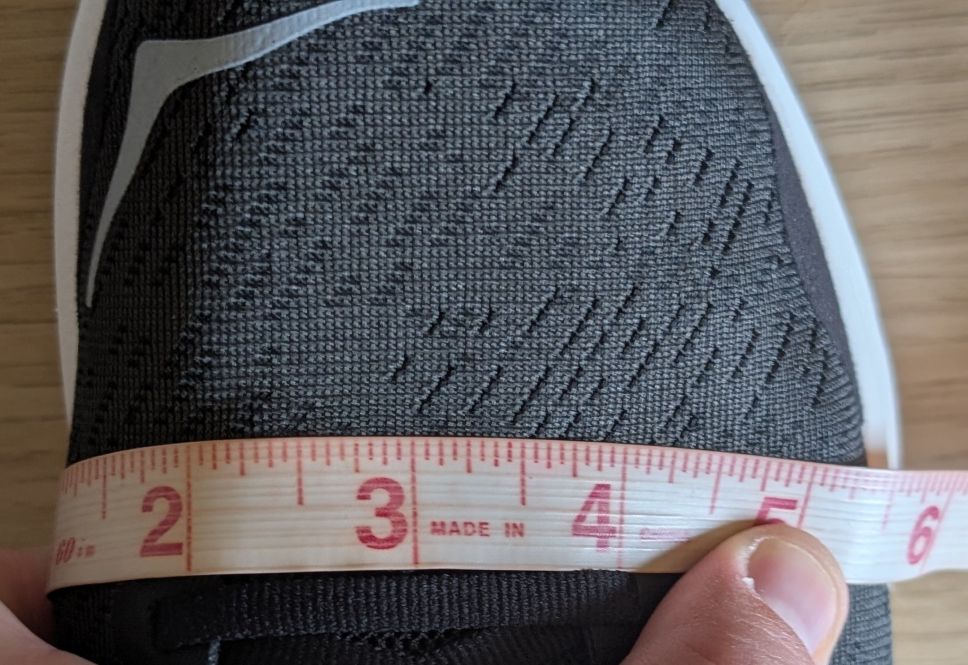
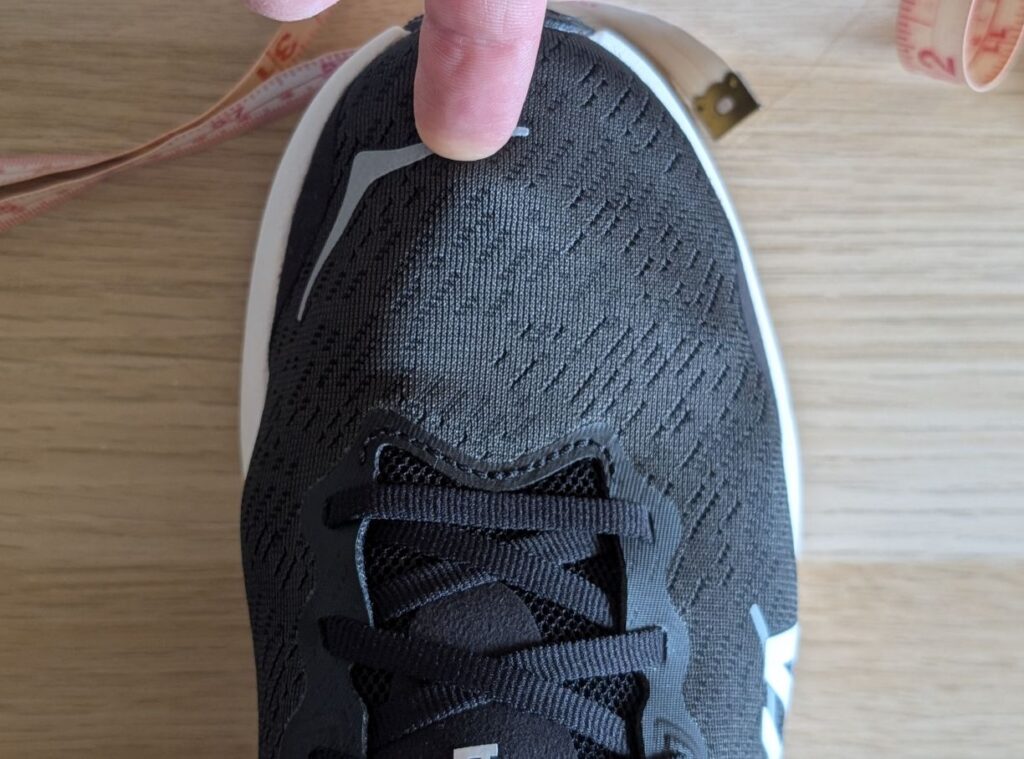
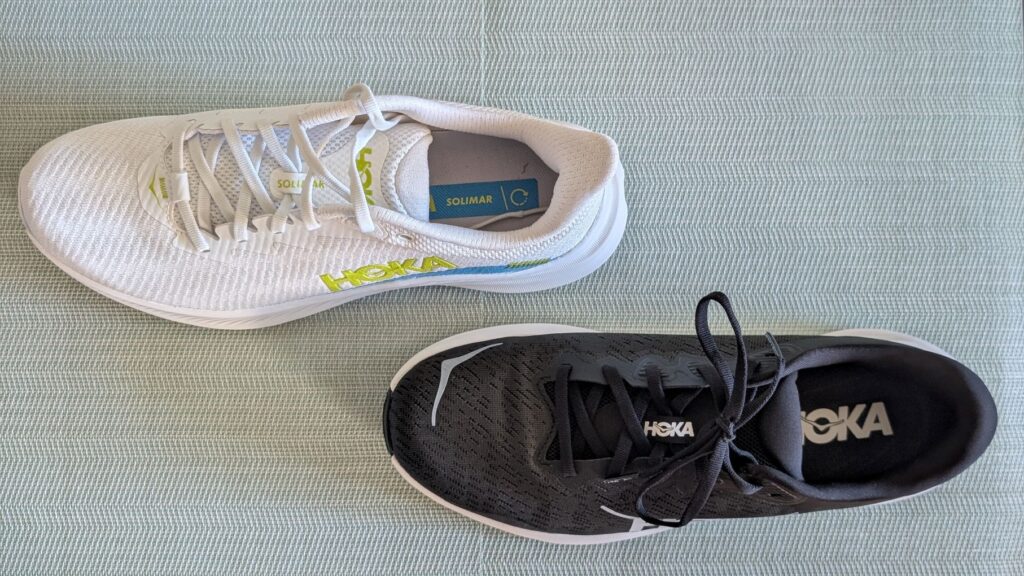
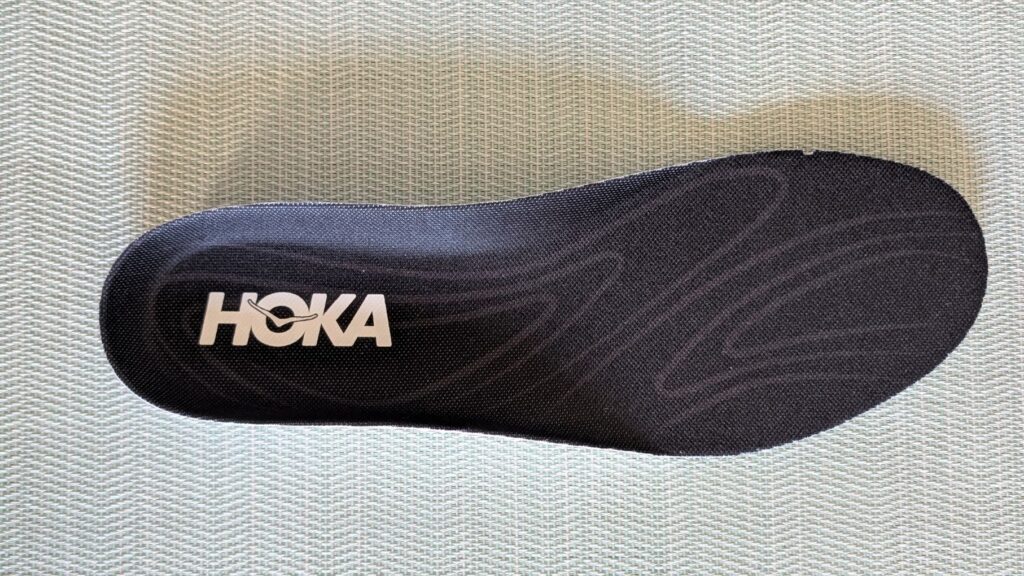
I also took out the insoles for a clearer sizing comparison. The original Solimar insole is nestled on the bottom. You can see the Solimar 2 gained a little length and width. You can also see it the insole lost some cushion – just another example of the lower quality parts in this shoe.
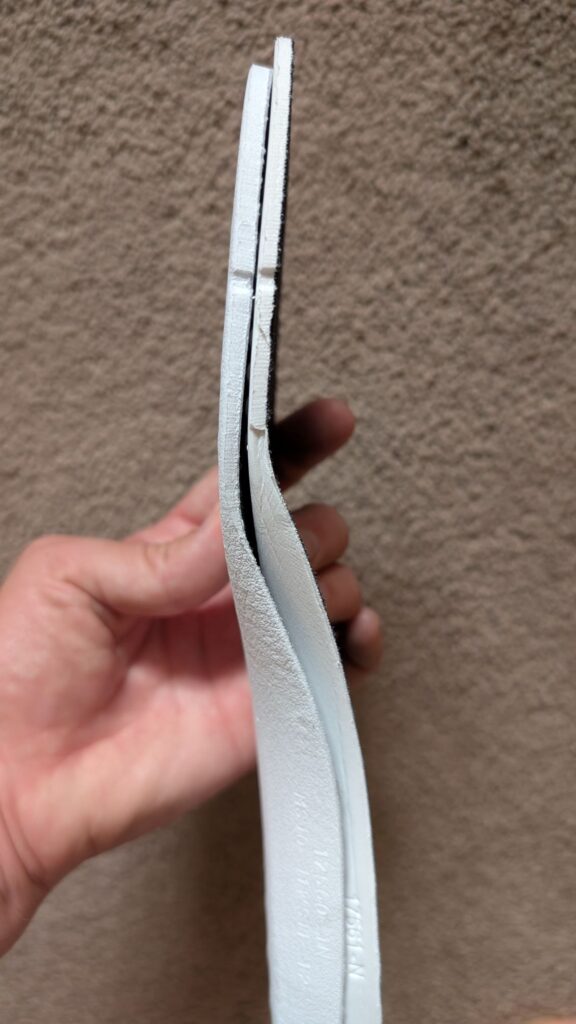
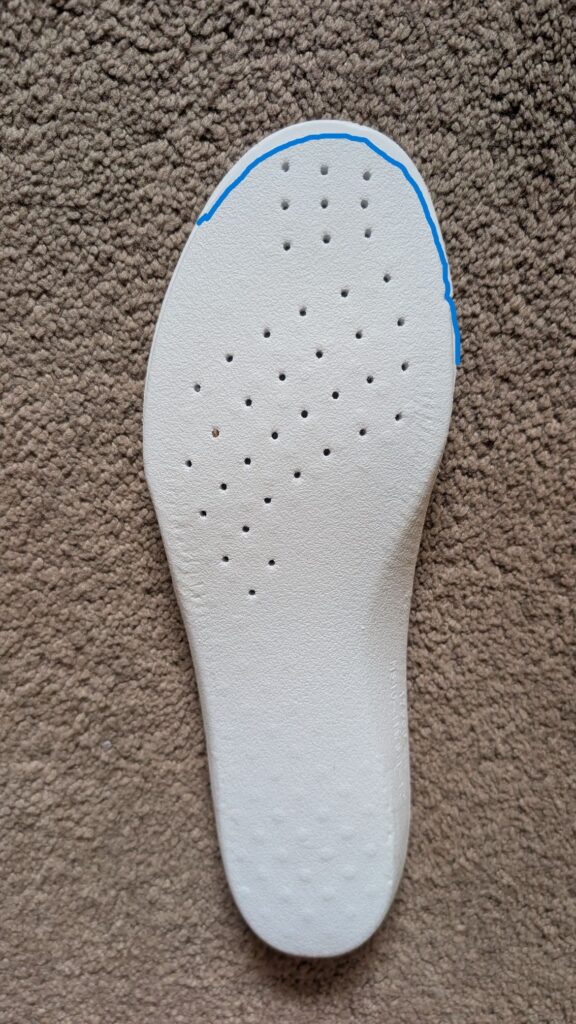
Despite the slight size gain, the change in upper fabric negates the feeling of a roomier Hoka Solimar 2, and its flimsiness also makes my feet feel less secure in lateral movements. It’s the worst of both worlds.
One nice thing about the Hoka Solimar 2 is that they offer wide sizes. As far as I know, the original Solimar only offered standard sizes for both the men’s and women’s versions. The wide colorways are limited, but the extra sizing options is a change for the better.
In short, real wide-footed folks should take the claims of a roomier toe-box on the Solimar 2 with a grain of salt and a thin sock, and probably order in wide.
Wait, the weight is what?
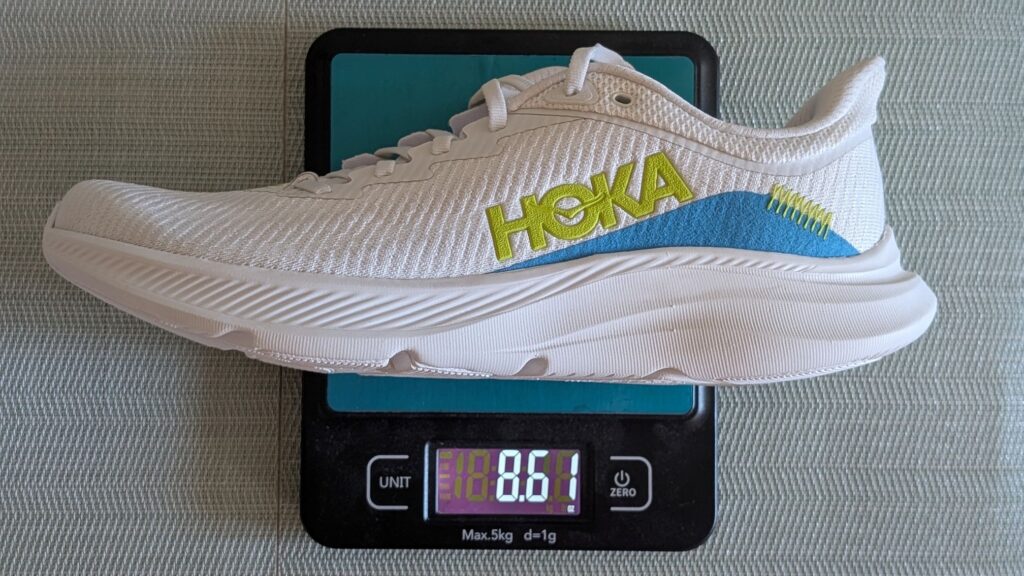
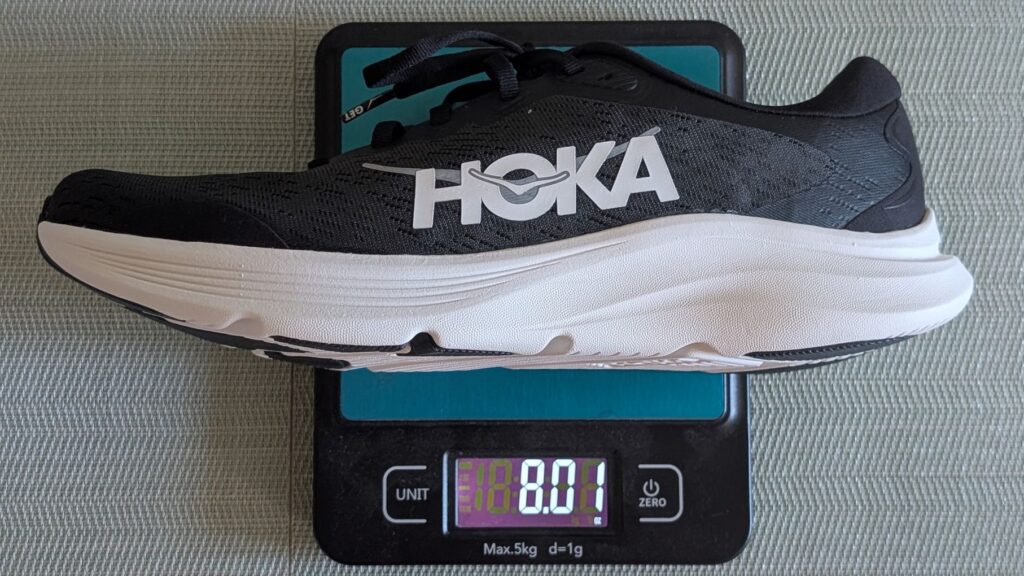
Interestingly, on their shoe specs, Hoka lists the original Solimar at 8.5 oz and the Solimar 2 at 8.6 oz. They don’t list what shoe size was used. I’m more interested in the slight weight gain between the two versions because I got a wildly different difference on our scale, with the Solimar 2 weighing a mere 8 oz compared with the Solimar 1’s 8.6 oz. This is what I would expect and want from a shoe that shaved 2 mm off the heel-to-toe drop, from 6.0 mm to 4.0 mm, along with the reduced heel pull.
Perhaps Hoka used a bigger shoe size to weigh the Solimar 2. Maybe my pair is a testament to manufacturing inconsistences. Whatever the case, I’m pleased that the Solimar 2 weighs less than the Solimar 1, even though the floppier fabric makes it feel clunkier. Still, individual results may vary: you might not be so lucky with your Jenny Crag pair of Hoka Solimar 2 shoes.
Questionable materials and durability.
The recycled polyester upper on the Solimar 1 was top-notch in terms of looks, breathability, and durability. The unique woven style elevated it from basic trainer to fashion-forward cushioned footwear. And even after tons of shenanigans across five pairs, no parts ever ripped or came unstuck for me. I would only replace the shoes once they got too dirty and the foam became too compressed – typically around 6 months of daily wear.
Hoka Solimar 2 downgrades.
As I mentioned, Hoka said they updated the upper for the Solimar 2 with “premium” materials” and they call it a “breathable mesh.” There’s no mention of recycled materials anymore. In fact, across the board, it appears that Hoka removed all sustainable/thoughtful materials for their Solimar 2 update. Gone is the “vegan” shoe, the “Laces with 70% recycled nylon and 30% recycled polyester,” and the “100% recycled polyester tongue mesh.”
It’s like they stopped trying.
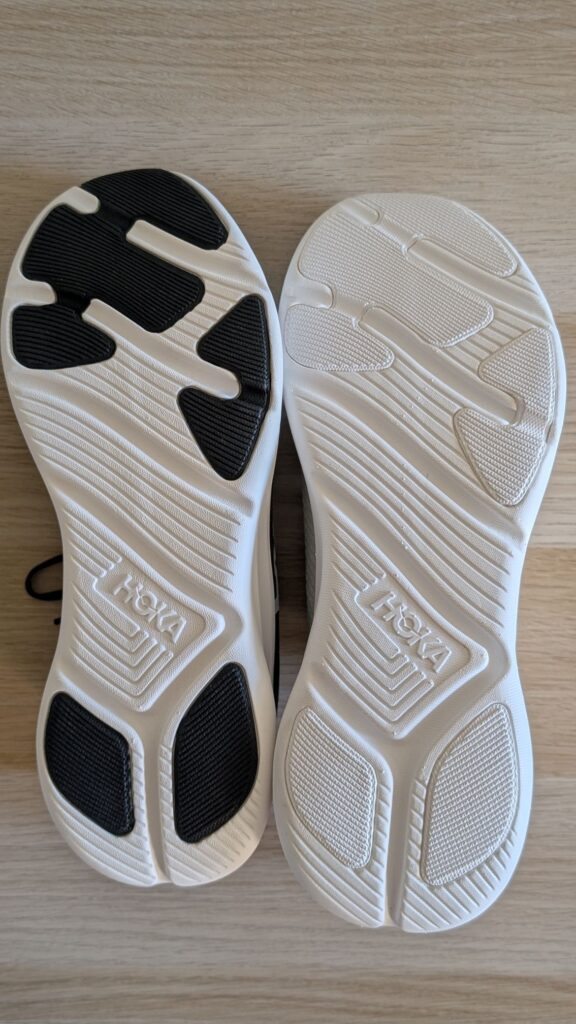
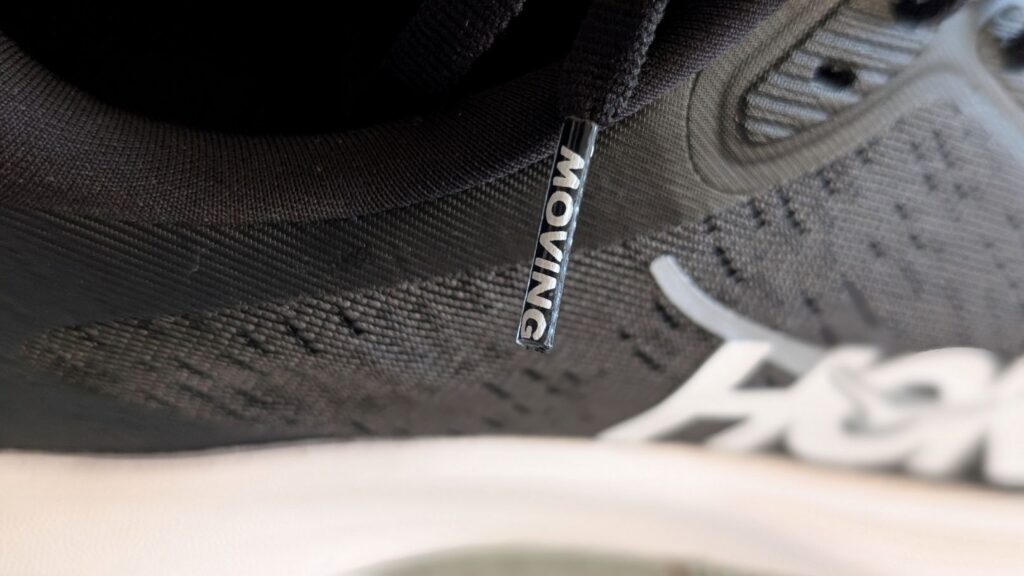
Sometimes Hoka shoes look cheap and funky online, but then look better in-person. Unfortunately, the Hoka Solimar 2’s glaring manufacturing shortcuts become even more pronounced up close. I’m amazed at just how cheaply this shoe is made. We already saw it with the logos, but it’s the whole shoe. The point where midsole meets the upper is uneven and shoddily glued. The insole has been simplified and jaggedly cut. The front of the shoe is off-center.
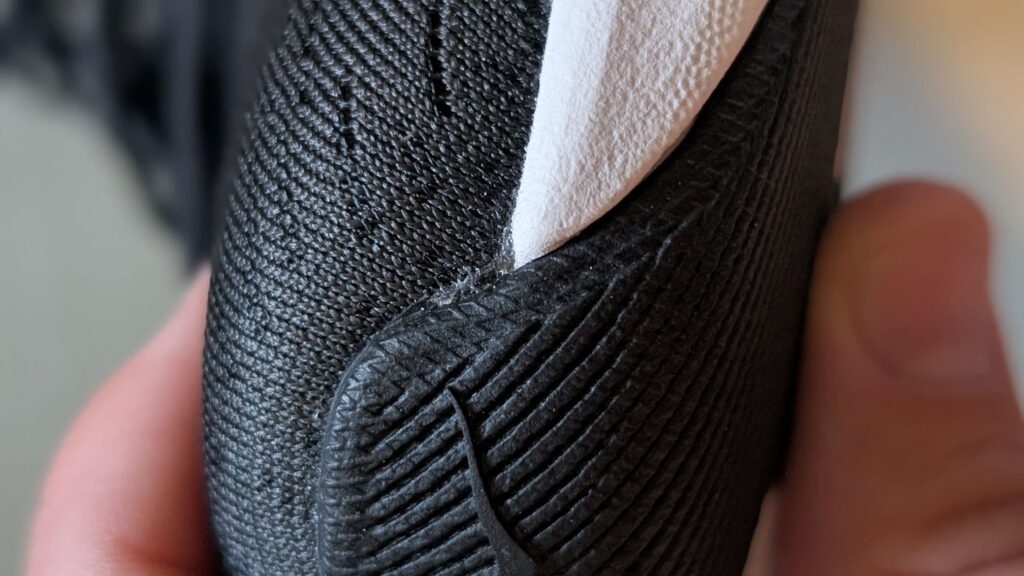
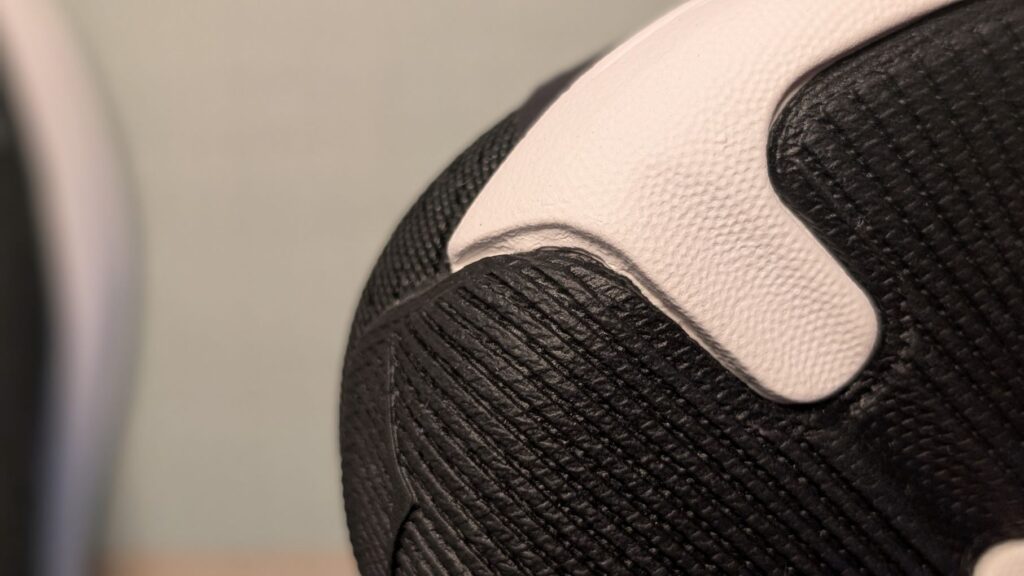
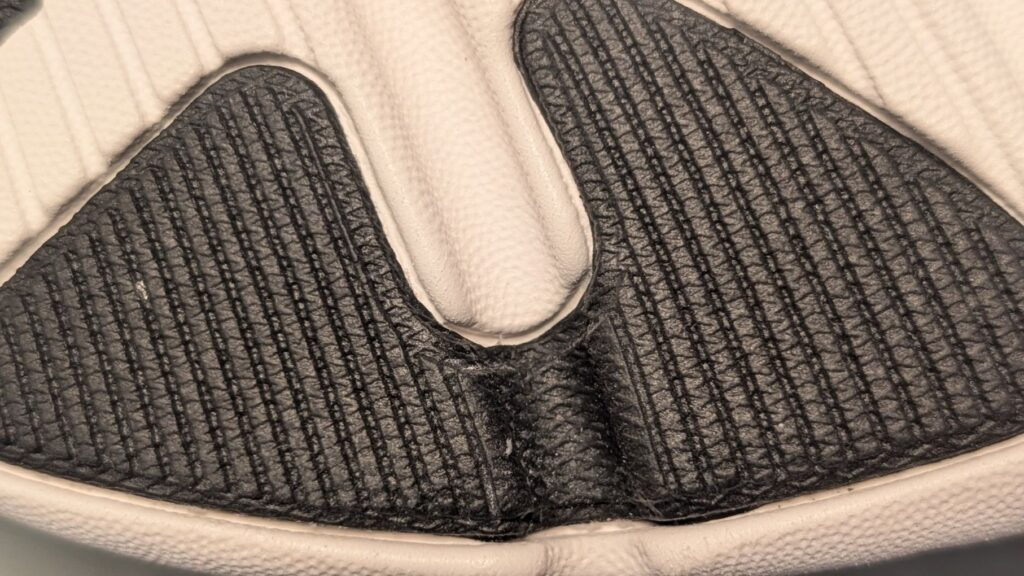
I’m returning these shoes, so can’t attest to their long-term durability, but these are not high-quality shoes.
At least Hoka didn’t raise the price from $125.
That would have been a really bold move to make a worse shoe and charge more for it. The choice is telling though: Hoka knows this shoe isn’t worth more.
I purchased the Hoka Solimar 2 for $93 via a Nordstrom sale, but honestly, the shoe isn’t even worth this sale price. It really feels like $75 or less footwear. Overall, like many brands, I’ve noticed a decline in quality without a corresponding decrease in price from Hoka.
Across, the board, Hoka also seems to have shifted from a focus on the details. For example, the Clifton 9 included at least five different recycled elements. The Clifton 10 lists zero. I’ve put thousands of dollars into Hoka shoes, and was one of their biggest advocates, but their products have really declined in value over the past 1.5 years.
So, I don’t recommend buying the Hoka Solimar 2 unless you can find it on deep discount.
Sweaty feet and unsteady steps.
Comfortably built for plodding.
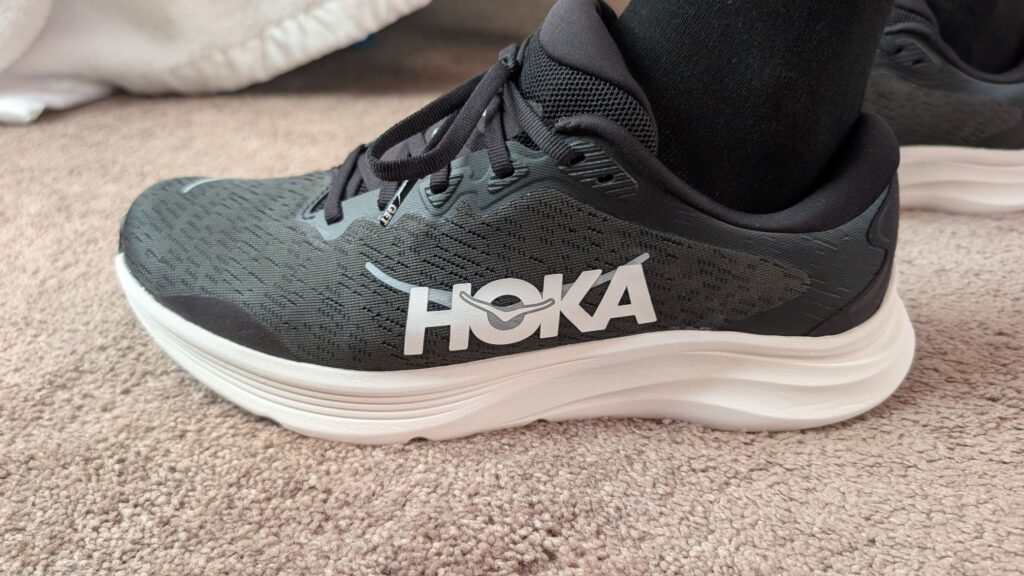
I ended up returning the Hoka Solimar 2 shoes, so they aren’t field-tested outside. However, my indoor tests didn’t bode well for extended periods of wear. These shoes aren’t uncomfortable by any means — they have that familiar Hoka cloud-like cushion courtesy of a compression-molded EVA foam midsole.
However, the Hoka Solimar 2 is definitely clunkier than the original Solimar. I’ve actually started playing cricket matches in my ancient Solimar 1 pair, instead of my Skechers cricket shoes, because I’m so agile in them. I can lithely get on my toes and take-off, over and over, with no foot fatigue the next day — even in a really worn-out pair.
I don’t feel that with the new Solimar. Something about the lower heel, the wider toe, and the flimsier sides on the Solimar 2 has me feeling less sure-footed and less confident in sudden lateral movements. Overall, the Solimar 2 is stuck in plodding shoe territory.
Why are my feet sweaty?
A major and unexpected issue with the Solimar 2 is its lack of breathability. These shoes make my feet feel like two hot pockets in a toaster oven. I couldn’t wait to take them off and I literally wanted to take my pants off too. And I wasn’t even doing much — I sat down for a little, walked around, and lightly jogged down the hall.
The new upper is a “mesh” that’s supposed to offer a light, airy feel. As you’ve seen above, it’s denser than traditional mesh, and it traps heat. I couldn’t imagine having these on my feet all day, which defeats the purpose of a shoe that’s supposed to adapt to whatever situation.
Once again, I’ll refer to the original: the stretchy Hoka Solimar 1 upper was form-fitting, but still breathable. Across 15-hour days, with thousands of steps, my feet never got hot.
The 2026 Hoka Solimar 2 is a Fail

Oftentimes, nostalgia for older models is merely that — nostalgia. However, this is a case where the original shoe was actually quite good, and Hoka broke it for no reason except change.
The cheap construction is incredibly disappointing. I actually dislike the Hoka Solimar 2 so much, I went and bought what are probably the last two pairs of the OG Hoka Solimar in my size on the internet.
Hoka could have just increased the width of the original Solimar, kept the same recycled materials and quality, and maybe switched up a design element for kicks and giggles.
All I can hope is that Hoka reads this review — and the other user reviews about the decline in quality from the Solimar 1 to 2 — and return to what made the Solimar shoe great.