
Beulah P.
Hannah H.
As an Amazon Associate, we earn from qualifying purchases. This post contains affiliate links, and if you buy through them, we may earn a commission at no extra cost to you. We hand test every product on this site because we’re nerds like that and only recommend ones we actually like.
This is some of the most unique cricket training equipment we’ve used recently that actually works.
If you’re looking to get better out on the pitch, you have to put in the work off the pitch. And cricketers like to get creative with that.
Everybody knows about the usual cricket training equipment, such as a hanging ball for solo batting practice.
But there are a ton more tools out there that will improve your cricket conditioning, batting, bowling and fielding technique, and injury prevention.
Let’s see what unexpected stuff actually works.
1. Macebell or Sledgehammer.
Cricket training equipment for shoulder and back rotational power.
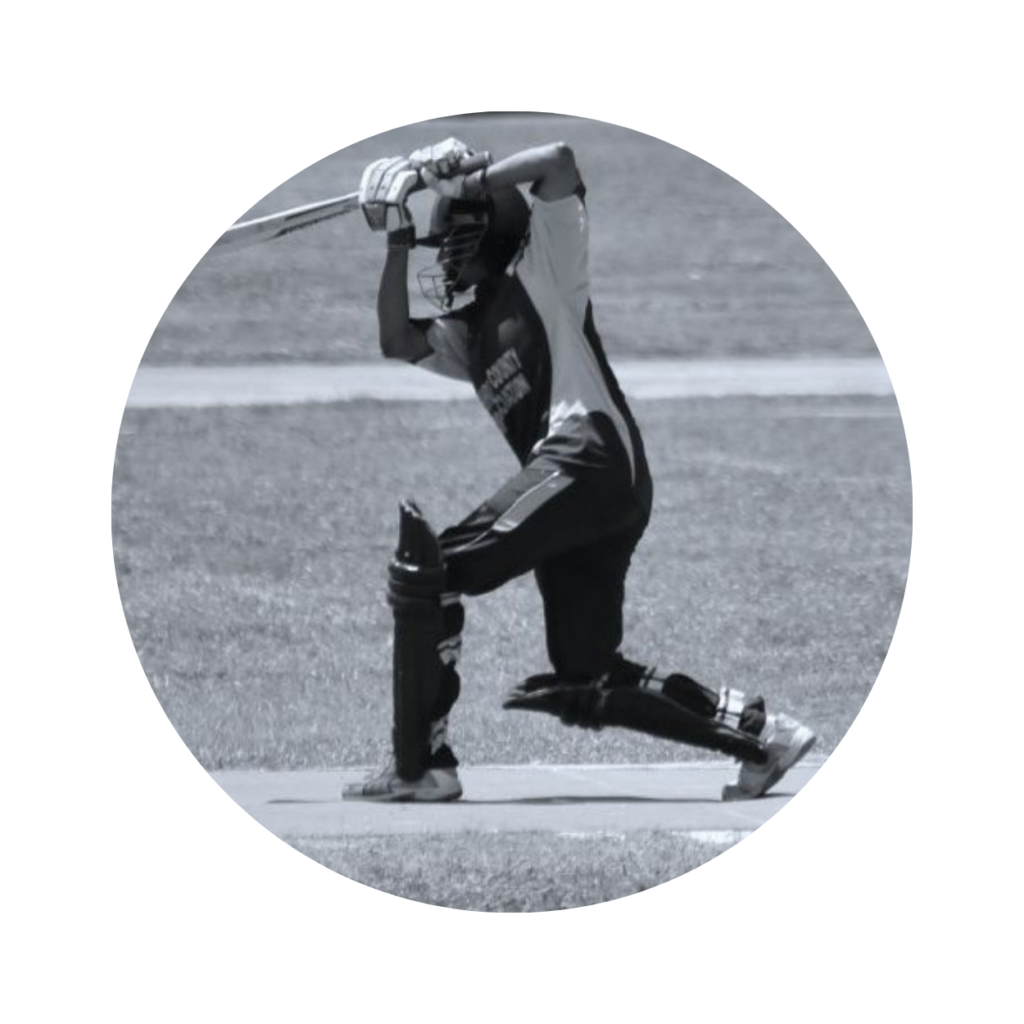
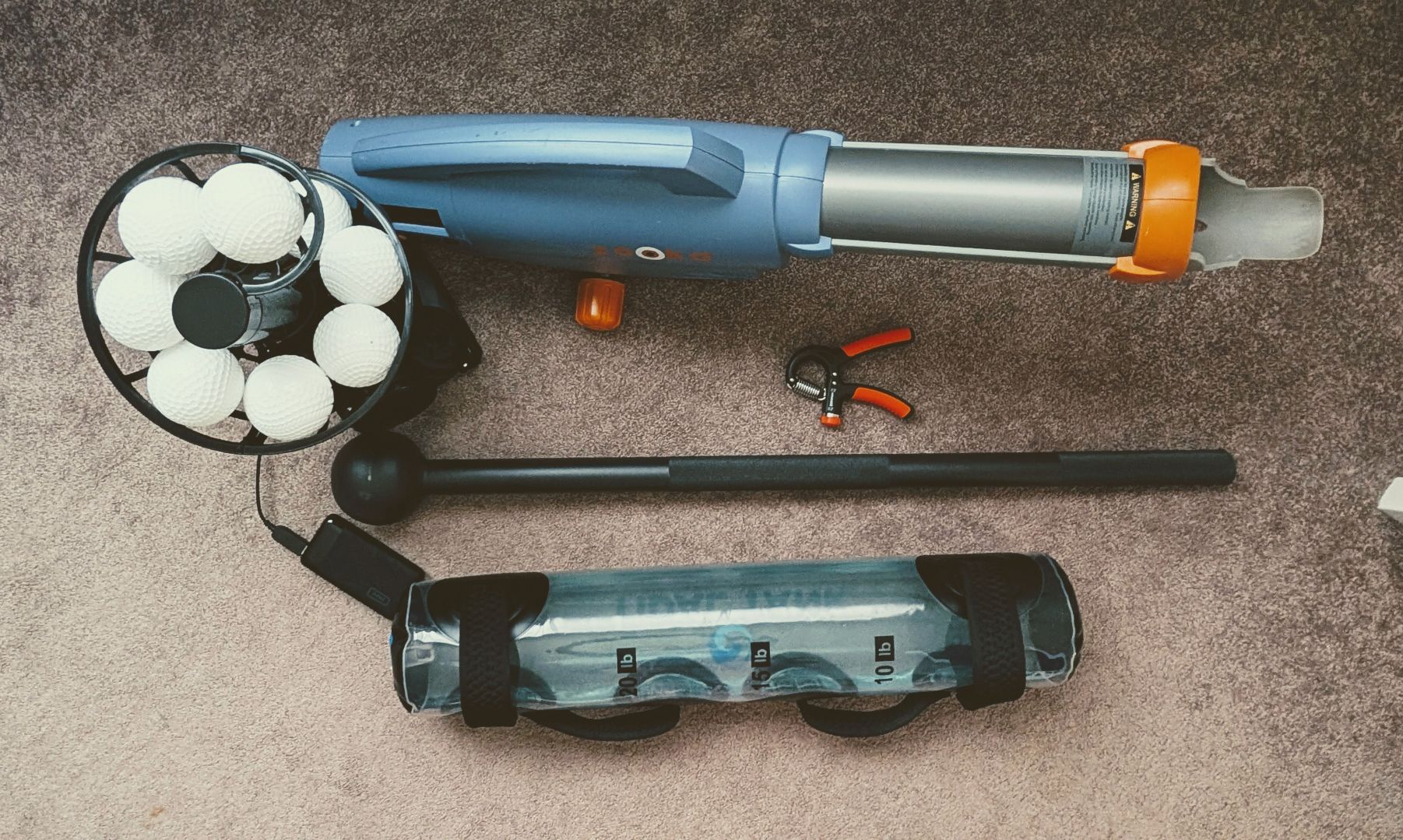
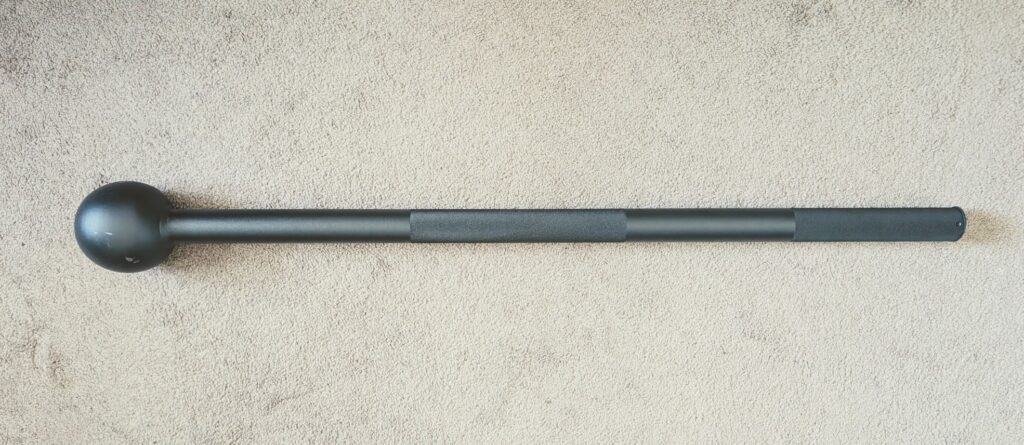
A macebell is modelled after the Indian gada traditionally used by wrestlers. It’s typically made with bamboo/wood or cast/wrought iron. Since I didn’t have a gada or a mace, I used an old sledgehammer. It’s the perfect weight and still has an offset load on one end.
Two mace workouts that made a difference in my cricket batting and bowling are the 360 Swing and the Single Hand Metronome. The 360 Swing strengthens the core and shoulders, and builds rotational power in the back muscles by engaging the posterior kinetic chain.
The Single Hand Metronome is performed with a smaller 1lb mace bell (or barbell). It focuses on building forearm strength, and grip pressure and stability, which are key in batting and spin bowling.
Both of these workouts were effective in building my batting and bowling workload as I prepared to get back to cricket after a long hiatus. Rotational power is an essential ingredient in my batting to maintain the shape of shots, especially during long innings.
$55
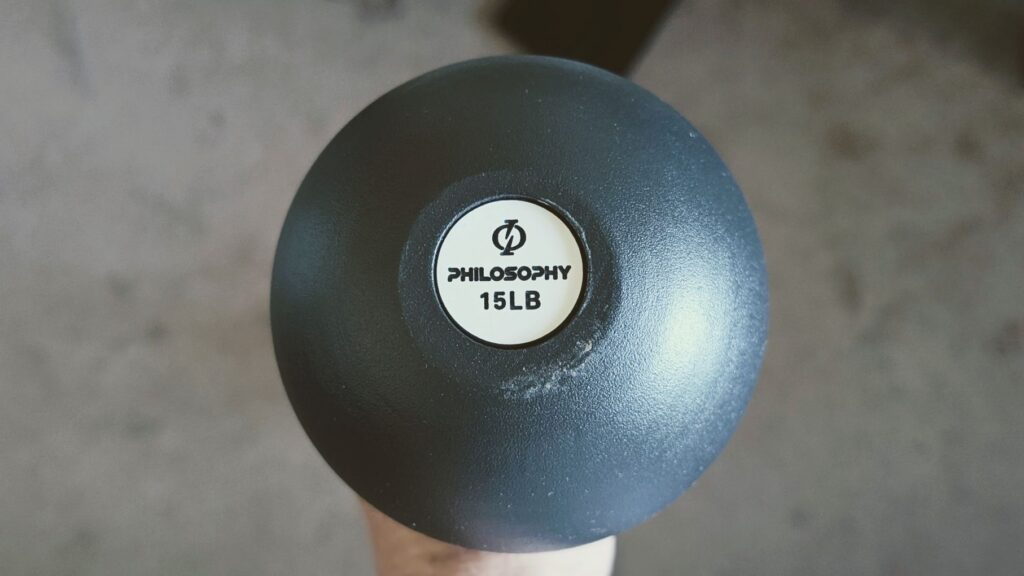
A macebell is a more advanced piece of cricket training equipment not for the weak of arms. Beulah ordered a 15-pound one recently. That sounded very light to me, since I lift with 20-lb dumbbells. When I picked up the macebell and tried twirling it over my shoulders, I nearly ripped both of my rotator cuffs. I didn’t pick it up after that.
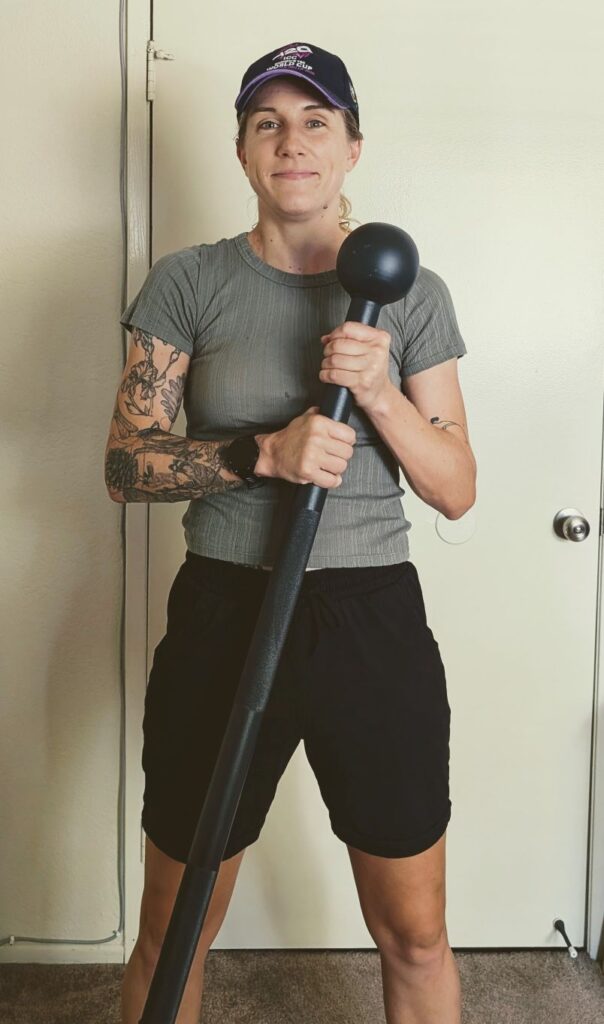
We found that a long-handle sledgehammer is the perfect starting point for a beginner like me. It’s under 5 pounds, so I can learn the same motions that I’ll eventually use with a real macebell without ripping my shoulders out of the sockets. A pickaxe handle also works for practicing the exercises. Who knew the tool shed would have such a bounty of cricket training equipment?
2. Grip strength trainer.
Cricket training equipment for bowling/batting hand, wrist, and forearm strength.
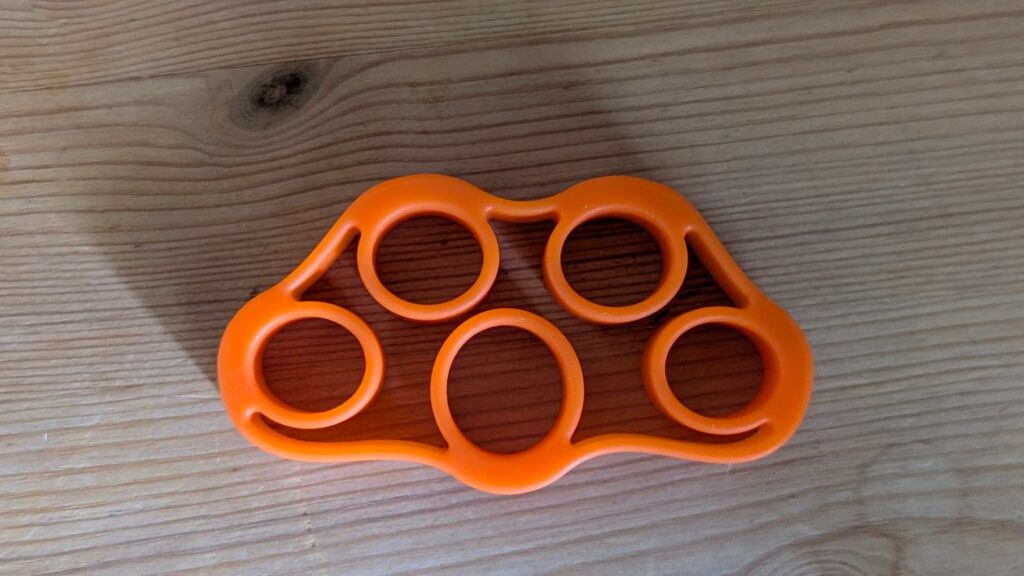
I’m a slow/spin bowler and a grip strength trainer is the perfect piece of cricket training equipment for my bowling. Grip strengthening builds hand, wrist, and finger power, along with flexibility. These are critical for maintaining seam/swing control, and being able to rip the ball hard and generate revolutions without losing control.
Any simple $5 grip strength trainer with foam handles and a heavy duty spring in the middle works well. I have two at different strengths and I focus on repetitions before advancing to the higher strength.
Recently, I also started using resistance bands for the intrinsic muscles in my hands. Finger fatigue was making me grip the ball harder in my bowling spells, resulting in loss of revolutions, pace, and control. I realized that I was only exercising my extrinsic muscles (strength) and had ignored the intrinsic muscles (fine motor skills).
So every time I train grip strength (contraction), I now also train using finger resistance bands (extension). It’s only been a few weeks on the lowest strength of this new cricket training aid, but I’m starting to notice the difference when bowling 10+ overs during practice.
$6
After I upgraded to a big-dog cricket bat, I realized I also needed to upgrade my hand, wrist, and forearm strength in order to lift it. I bought a contraction hand grip tool: the NIYIKOW Grip Strength Trainer from Amazon. But whadayaknow, Beulah already owns two of these cricket training aids.
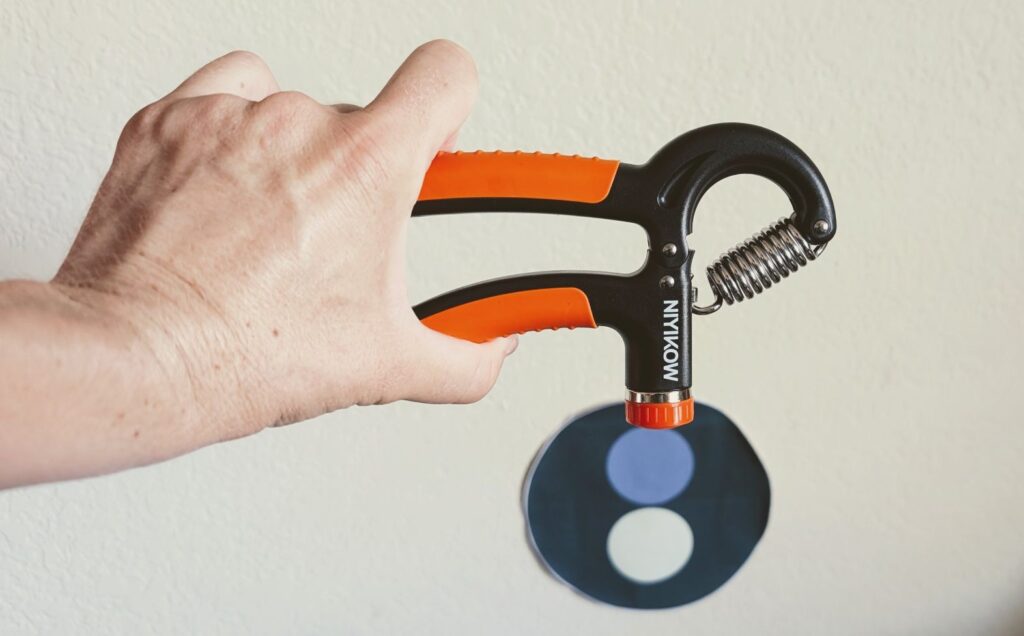
I think mine is better because it has adjustable resistance from 22 lbs to 132 lbs. It’s a little hard to tell exactly what resistance level it’s set at, but I like that I only need one tool over time and for differing-strength hands. I’ve had to start at the lowest resistance on my left hand, while my dominant right hand can comfortably exercise at a higher resistance.
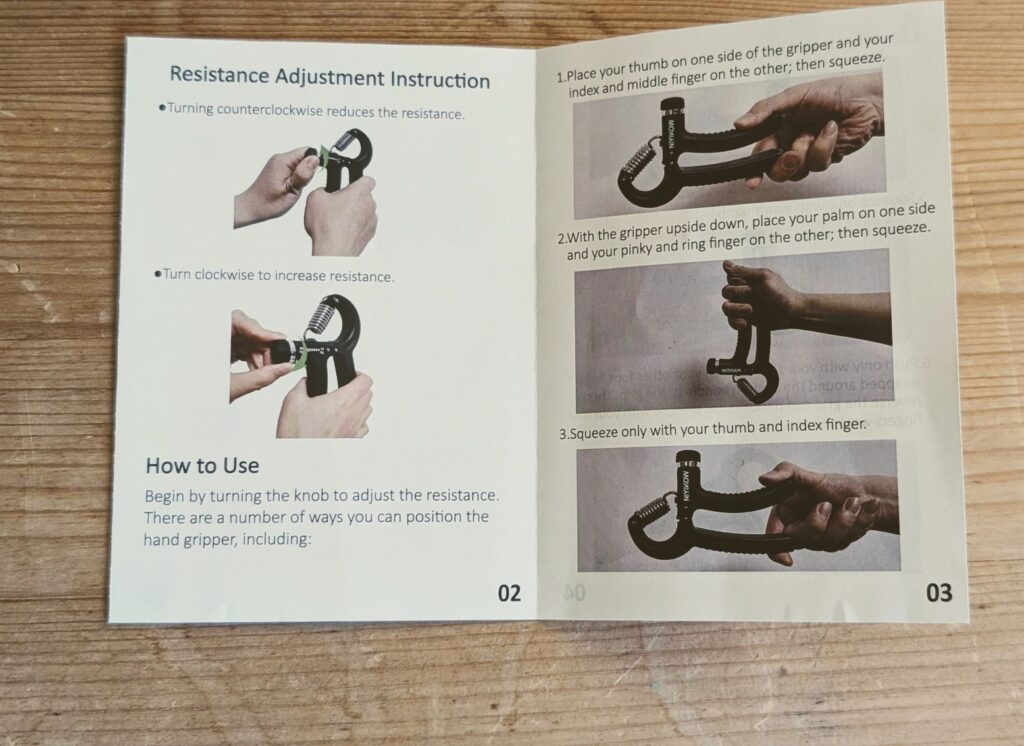
This is counter to how I should be holding my cricket bat, so the cricket grip training tool is helping me improve grip control and awareness in both of my hands. There are several exercises you can do with it, and I use it when I’m reading, watching TV, etc.
$6
3. Zooka bowling machine.
Portable cricket training equipment for realistic batting practice.
Practicing cricket in the US is a challenge. There are hardly any indoor cricket facilities and the few outdoor cricket nets near cricket grounds usually don’t have lights. I stumbled on Zooka Pitching Machines while evaluating baseball machines that I could modify for cricket.
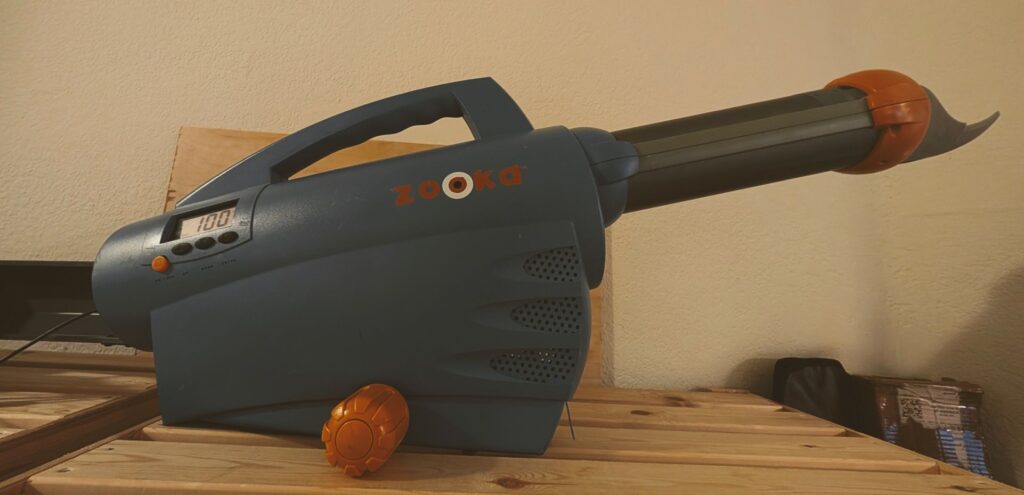
The ZS740 Pitching Machine is the only cordless pitching machine that reliably bowls cricket balls. That means no plugging in or lugging an external battery and cables. It takes dimple balls that are cricket ball weight or actual cricket balls.
I have the short and tall tripods, and I use them for different drills. The bowling speed is consistent even from 22 yards. My Zooka pitching machine is the best piece of cricket training equipment I own.
TIP: If the price for a new Zooka sounds too steep, you can find used ones on Facebook Marketplace for under $500 — they have a long life and work reliably as long as they haven’t been thrown around.
$1100
Zooka is by far the best personal-use bowling machine I’ve ever seen. The ZS740 Pitching Machine is a super solid-but-portable machine (transport it in a cart) with real pitching power. It spits out cricket balls at up to 80 mph (at least). The battery lasts surprisingly long even when used at 100% pitching power.
A nice touch: the machine slightly varies the ball angle and speed each time, just like a real bowler. For solo batting practice, Beulah has an auto-loader for it that works, but can be a little finicky. Still, you can basically take this to any park and practice batting alone against real cricket balls.
Overall, the Zooka ZS740 is a baseball pitching machine that’s a cricket batter’s dream. This is one of the best pieces of cricket training equipment you can buy and it doesn’t cost that much more than more well-known, flimsier bowling machines.
4. Tennis ball launcher/small baseball pitching machine.
Cricket training equipment for solo fielding and keeping practice.
I wanted to practice wicketkeeping at home on my own. But how? Then I remembered the dogs of Instagram: the pups that plop their tennis ball in some little launcher that pops it out to their eternal fetching delight.
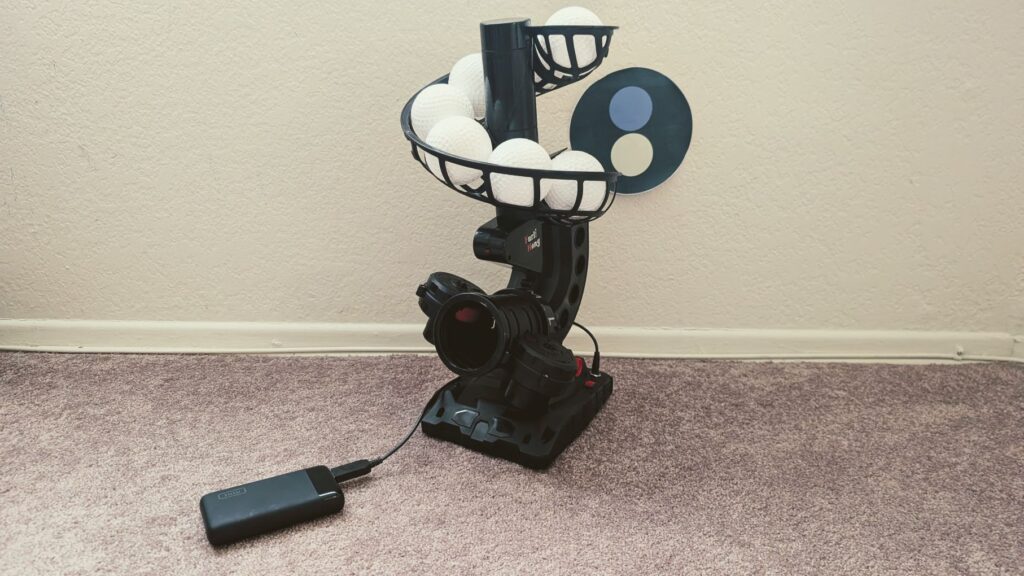
I would be like the dog, but I needed something that had an auto-loader/delay when launching so I could get into a set position. I settled on the Furlihong 388BH Baseball Pitching Machine. It was only $44 and it could run on either batteries or USB.
At first, I thought this was the worst machine ever. I plugged the USB-A power cable into a block and outlet, and turned it on. The machine sullenly whined into a sorrowful rev and the ball dribbled out in slow motion.
Then I tried it with a charging brick and WOW! It’s like an angry little Zooka. This thing is ideal for at-home cricket practice. You can move it anywhere around the house with the charging brick. It auto-launches the included lightweight plastic balls unexpectedly quickly, as you can see from video.
I like to set up in the hallway with the doors closed and train my keeping reflexes. This and synthetic cricket ball wall practice have been a real game-changer for my reflexes.
The Furlihong 388BH is quite cheaply made and I have a feeling it’s going to conk out sooner rather than later. But for $44, it’s a very affordable piece of solo cricket training equipment.
$44
5. Water bag.
Cricket training equipment for core stability.
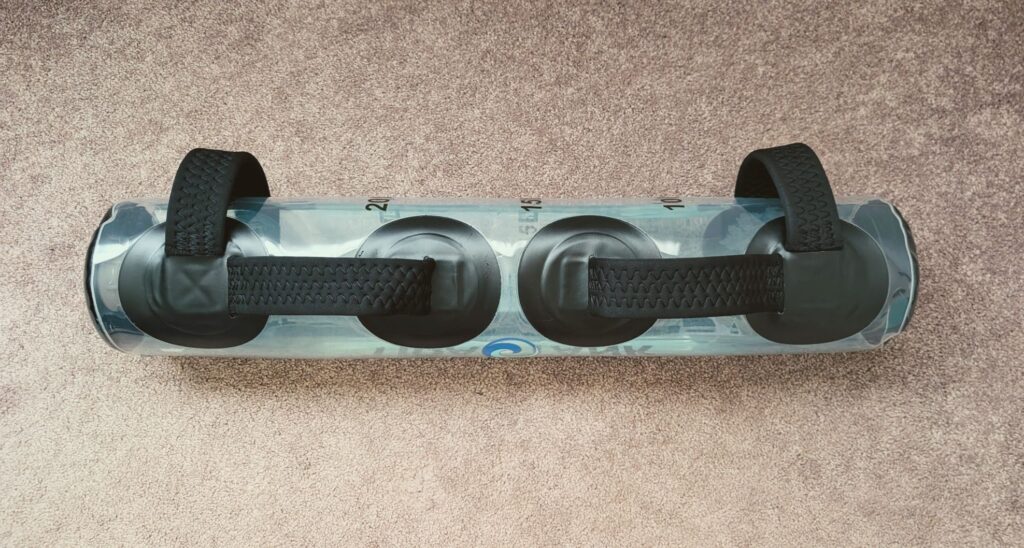
A bowling coach introduced me to the waterbag or Tidal Tank a few years ago as a cricket training aid. After I saw the results in my core stability, it’s been part of my training routine ever since.
I use it for rotational stability and engaging the kinetic chain. The best part of using a waterbag is the instant feedback I get with the unpredictable movement of water, which it alerts me to lack of form and stability in my core.
$70
The Tidal Tank is super interesting and versatile. It’s like a giant level that forces cricket athletes to focus on perfecting their form.
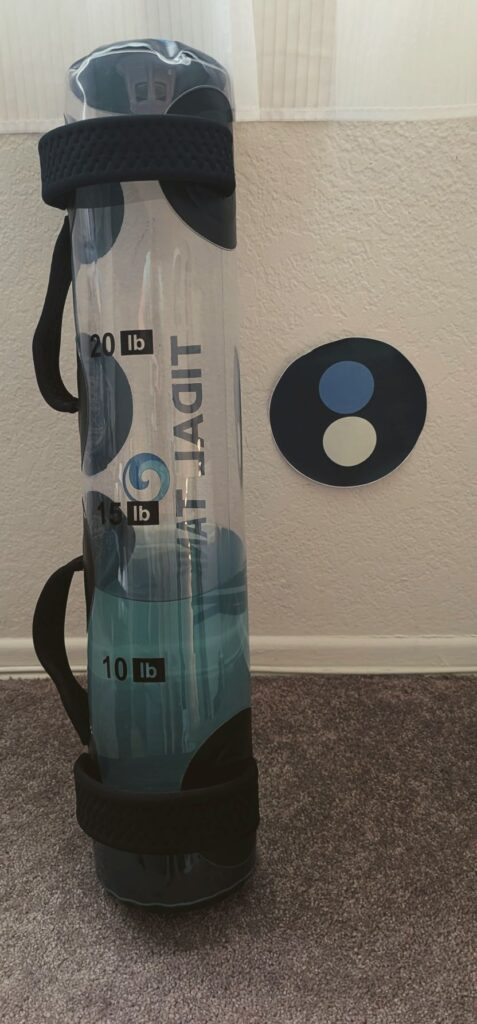
I find that it’s a dynamic weightlifting tool, since I have to actively engage my core and balance skills. I’ve also been using it to improve my overall cricket batting mechanics: it trains my sense of full-body awareness while I practice explosive movements.
This piece of cricket training equipment comes in several different sizes/weights. We use the slim size, which weighs up to 30 pounds. It’s super portable, easy to drain and fill up, and perfect for getting match-ready.
You Might Also Like
-
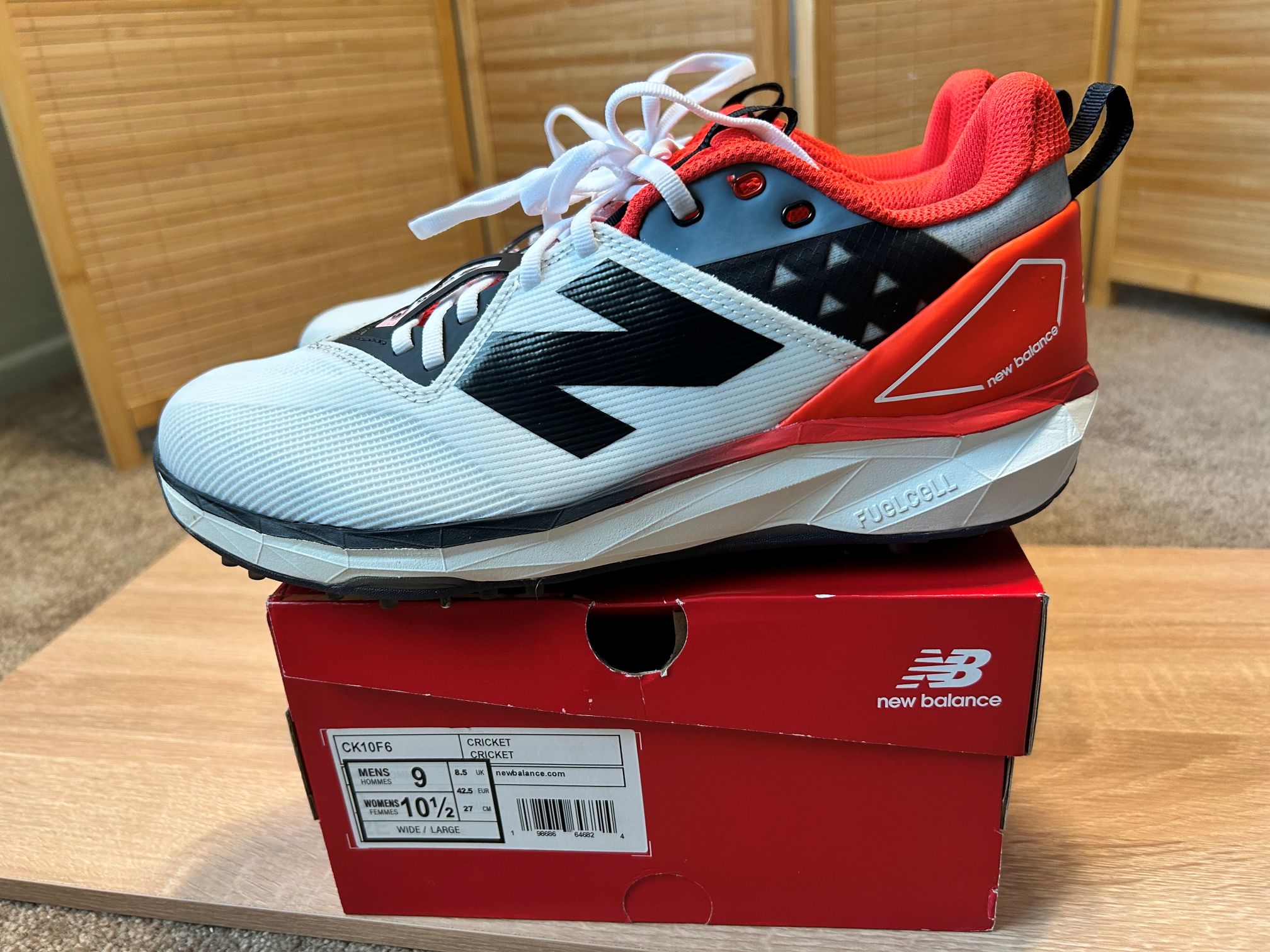
New Balance Cricket Shoes Review: The 2026 CK10 Spikes are Trying Too Hard
The 2026 New Balance CK10 F6 has quality parts, but as a whole, the package isn’t working.