
As an Amazon Associate, we earn from qualifying purchases. This post contains affiliate links, and if you buy through them, we may earn a commission at no extra cost to you. We hand test every product on this site because we’re nerds like that and only recommend ones we actually like.
Thymol is the superhero safe cleaning ingredient you’ve never heard of.
The only thing I’m more afraid of than germs are toxic chemicals. So, about 10 years ago, I read through the labels on all of the home cleaning products at Target.
Some were nice and safe and natural, but they didn’t even sanitize. Others would have killed everything, along with me, if I used them incorrectly.
There was only product line that actually disinfected (killed viruses and bacteria), and that also didn’t require any rinsing: Seventh Generation Disinfecting Cleaners and Sprays.
The secret ingredient? Thymol, which comes straight from that earthy, spicy herb that grows in many a garden. If you haven’t tried thymol-based cleaners, you’re missing out on the safest way to get sparkling, sanitized surfaces at home.
And no, vinegar is not better.

The miracle that is thymol.
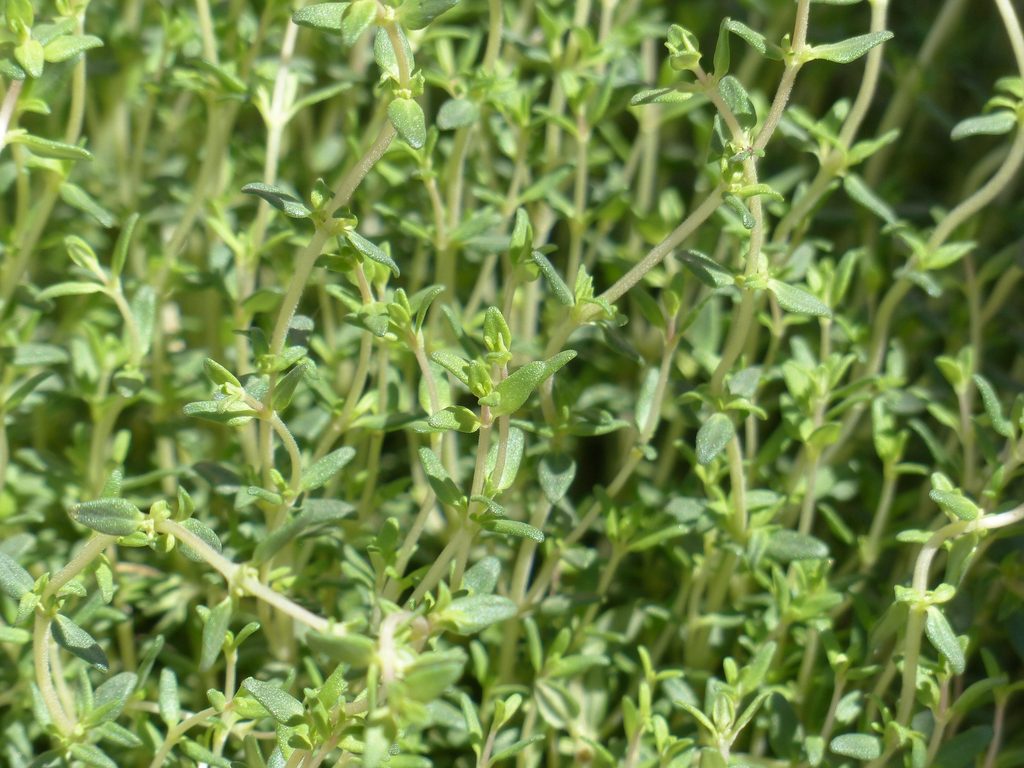
What makes Seventh Generation’s plant-based disinfectant spray so special? It uses 0.05% thymol as its only active ingredient. Thymol is a safe and botanical anti-microbial oil that comes from regular old garden thyme. Let me count the ways why thymol is a sustainable and versatile miracle cleaner.
- A tiny amount of thymol doesn’t just sanitize (reduce bacteria), it also fully disinfects (kills viruses).
- It kills weird super viruses like COVID, Ebola, and Hantavirus. It also destroys all the usual suspects such as Salmonella, Staphylococcus, E coli, etc.
- Thymol kills the notoriously hardy Norovirus. That’s huge: a natural cleaner that’s actually effective against the stomach flu bug.
- Thymol is non-toxic. You don’t need to rinse off this plant-based disinfectant spray, even on food-contact surfaces. Most (effective) disinfectants require thorough rinsing after use, including those ubiquitous Lysol and Clorox wipes.
- Thymol is so safe, it’s used in mouthwashes, toothpastes, food, and more. It even has an EPA “exemption from the requirement for a tolerance” AKA there’s no need to worry about too much of it.
- Household cleaners use a mere tidbit of thymol in their recipes (just 0.05%) and yet it’s incredibly effective at nuking germs.
Why get Seventh Generation’s plant-based disinfectant spray?
Because it’s super cheap and really easy to find. There’s literally nothing else on local store shelves and nothing in your pantry (vinegar, citric acid, etc.) that cleans as efficiently, as effectively, and as safely as this thymol-based cleaner. You can find some alternatives online, but Seventh Generation is the most convenient option for the average home user.
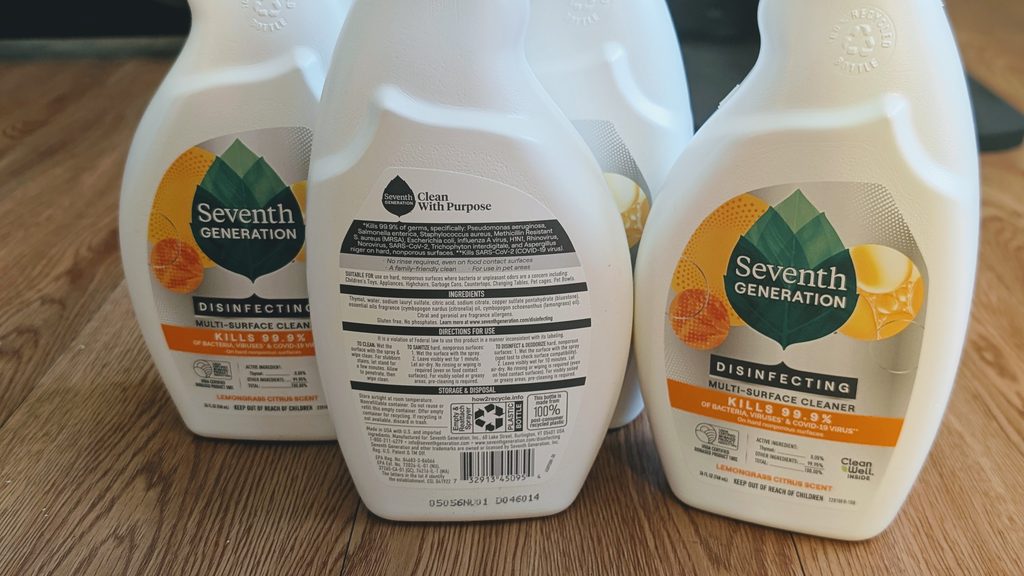
Seventh Generation makes several thymol-based disinfecting products. They have nearly identical formulations, but different methods of ingredient delivery.
I like their Disinfecting Multi-Surface Cleaner best. It’s the one sold at most stores and I get the best bang for my buck with a 16 fl oz spray bottle retailing for under $5. It sprays a kind of liquid-y, sudsy mist that’s great for cleaning. It’s even cheaper in bulk.
I blast this plant-based disinfectant spray everywhere, and one bottle lasts me at least a month with everyday household use.
Other plant-based disinfectant options.
All that being said, thymol in any package is a fantastic choice for a non-toxic cleaner that actually disinfects. If you don’t want the Seventh Generation version, Benefect’s Botanical Decon 30 is a good alternative.
Benefect is a little expensive in the small spray package and its packaging is a bit dramatic. However, Decon 30 is USDA-Certified 100% Biobased. It doesn’t require any PPE, provides hospital-grade disinfecting, and also doesn’t need to be wiped off of food-contact surfaces. It’s the epitome of a plant-based disinfectant spray.
Hypochlorous acid versus thymol.
A lot of you may be saying, well what about hypochlorous acid? I think hypochlorous acid is an incredibly safe and effective disinfectant — when it’s used and stored correctly. Unfortunately, it’s just not there yet for the average consumer. Hypochlorous acid has stability, degradation, and prep-each-time issues.
With thymol, I just twist the nozzle, squeeze the trigger, and blast away. And that’s why Seventh Generation’s plant-based disinfectant spray works so well: it’s cheap and simple for the average person to use, and you can’t really mess up cleaning up messes with it.
Seventh Generation plant-based disinfectant spray ingredients.
The thymol in Seventh Generation’s Disinfecting Multi-Surface Cleaner is packaged within a water-based cleaning agent. The only active anti-microbial ingredient is the 0.05% Thymol, which we already know is the main star here. Per the SDS, the formula also contains:
- Water 80%-100% — No problem.
- Sodium lauryl sulfate (soap) <1% — A little questionable, but mostly because it can be irritating to some people.
- Sodium citrate <1% — You can eat it.
- Citric acid <1% — Found in fruit!
- Essential oils/botanical fragrances <0.1%— Safe and natural!
- Copper Sulfate Pentahydrate (Bluestone) <0.1% — A trace amount to mimic natural groundwater.
In fact, here’s the SDS, courtesy of Seventh Generation’s website. You can see for yourself just how safe this stuff is.
Some consumers complain about the dank smell, which comes from the botanical fragrances. The odor is technically “Lemongrass Citrus,” but I’ve been using this spray for so long, now it just smells clean to me. If the odor is too much, opt for the wipes.
How I use the Seventh Generation thymol disinfecting spray.
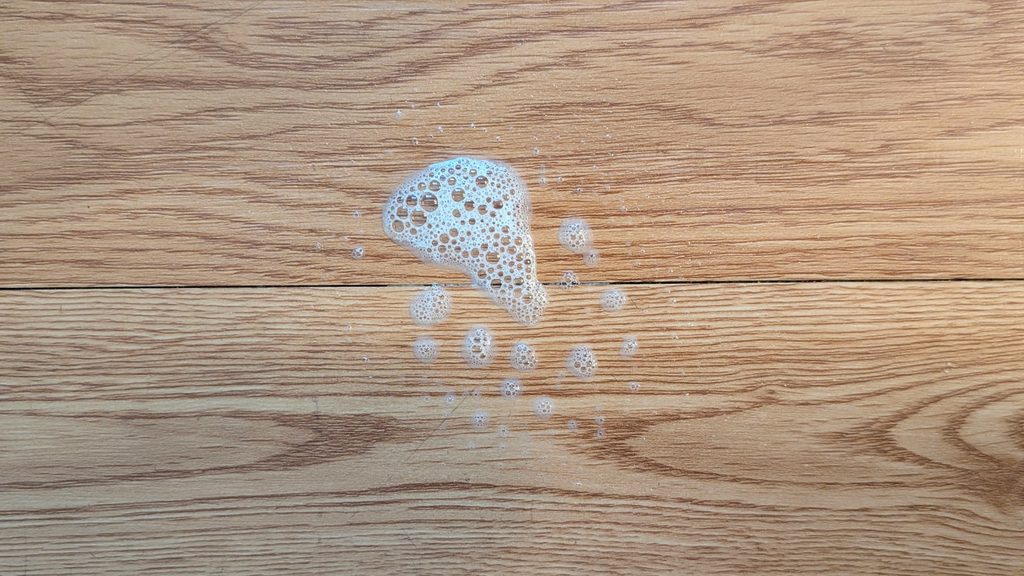
I clean pretty much every hard surface with it. The bubbly/soapy mixture makes it great for cleaning up spills, greasy stovetops, dirty bathroom counters, etc. For pure cleaning purposes, I spray and wipe. If something is particularly sticky, I spray, wait a bit, and then wipe.
To sanitize, the directions say to wait about 30 seconds. I do this pretty frequently on my phone: I spray the plant-based disinfectant spray on a paper towel, wipe my phone with it, and let it air dry.
For more concerning situations, such as if a sick someone grabbed something, I blast them with thymol. Just kidding. I spray thymol on the infected hard surface and let the liquid air dry without wiping it off. Disinfecting supposedly takes about 10 minutes, but that’s just the to-be-sure catch-all limit.
The best part: no rinse is required, even on food contact surfaces. I feel comfortable using this plant-based disinfectant spray on kitchen counters, toilet seats, door handles, suitcases, my keys, wood floors, fridge shelves, and so on.
I don’t know how many illnesses Seventh Generation’s thymol-based cleaner has saved me from and I don’t really want to know. However, I do know that it helps keep our household healthy and it’s all thanks to a scrappy little herb that grows in backyard gardens.

Hannah H.
Leave a Reply